7 Must Haves Every Child Care Director Needs to Stay Sane
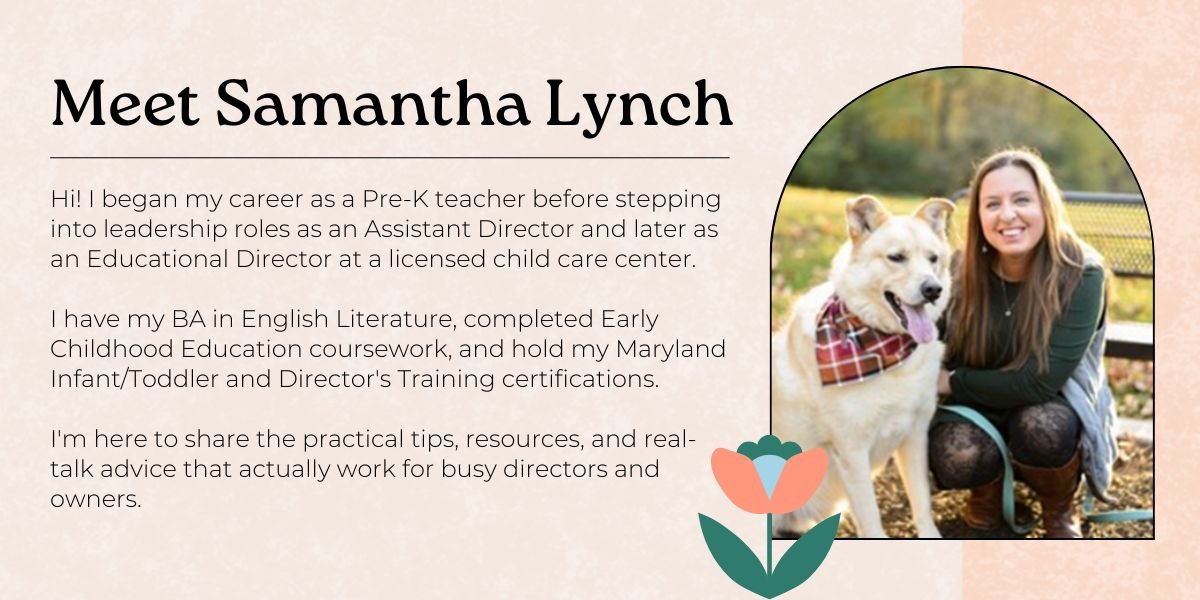
Bridging Child Development is thrilled to welcome Samantha, a former director of a large child care center, to our team! With her center experience and my background owning and operating a family child care, we’re joining forces to bring you the most comprehensive supports and fresh ideas made just for directors and owners.
Being a childcare director is one of the most rewarding and demanding roles in early education. You’re juggling licensing, parent communication, staff management, and about a hundred little details in between.
When I first became a Director, I remember feeling overwhelmed by how much I needed to learn and fast. Luckily, I had an amazing admin team that helped support me through the transition. Even with over four years of experience as an Assistant Director, stepping into the Director role was a big leap.
Looking back, here are 7 must-haves every childcare director needs to stay organized, efficient, and (mostly) sane:
1. A Strong Organizational System
Whether you prefer digital tools or color-coded binders, organization is your best friend.
Use Google Drive or Brightwheel to store student files, staff records, and lesson plans.
Create a monthly admin checklist for licensing tasks, file updates, and training deadlines.
Maintain a clear email filing system with labeled folders so you can find what you need fast.
Keep your office tidy. Take 15 minutes at the end of each week to reset and file everything away.
A clean, organized space helps your mind stay just as organized.
2. Communication is KEY
Strong communication keeps your center running smoothly.
Use email, Brightwheel, or Tadpoles for consistent parent updates.
Send weekly staff memos or host short huddles to keep everyone aligned.
Foster an open-door policy so teachers feel supported and heard.
When communication flows easily, your entire team feels more confident and connected.
3. Reliable Staffing and Sub Plans
Staffing challenges are inevitable but preparation helps minimize chaos.
Set up a streamlined staff request-off system.
Keep an updated list of substitutes and cross-train staff when possible.
Ensure emergency sub folders include classroom routines, allergy lists, and contacts.
Track ratios daily beause one small oversight can throw your whole day off balance.
Planning ahead keeps you calm when last-minute changes arise.
4. Staff Development
Your teachers are your greatest asset. Invest in their growth.
Track each teacher’s training hours and professional development goals.
Share local training opportunities and conferences regularly.
Discuss professional growth during annual reviews and set clear action steps.
Send reminders as training renewal dates approach.
Recognizing achievements- simple shoutouts go a long way in building morale.
Empowered teachers create stronger classrooms.
5. A Go-To Parent Communication Strategy
Parents are your partners, and setting clear expectations from the start helps build trust.
Host quarterly open houses so families can connect with teachers and see classrooms in action.
Offer parent-teacher conferences twice a year to discuss progress and next steps.
Have templates ready for behavior reports, incident forms, and meeting follow-ups.
Approach every conversation with empathy and transparency.
When parents feel informed and respected, your community thrives.

6. A Plan for Emergencies and Licensing Visits
When the state shows up, or an emergency hits, being prepared makes all the difference.
Maintain a licensing binder with all required documentation.
Review emergency procedures with staff each quarter.
Run mock drills to ensure everyone knows their role (and meet all state/corporate requirements).
You’ll feel much more confident when surprise visits—or real emergencies—occur.
7. A Support Network
Even the most experienced directors need community.
Join director Facebook groups or local early childhood associations.
Connect with other administrators- you’ll learn, vent, and laugh together.
Don’t forget self-care—your well-being sets the tone for your entire center.
You don’t have to do it all alone (and you shouldn’t!).
Final Thoughts
Directing a child care center takes organization, patience, and heart. Every director and every center has its own unique story, and no two experiences are exactly the same. At the end of the day, though, it all comes down to supporting and nurturing the next generation. The more structure you build behind the scenes, the more time you’ll have to focus on what truly matters: Uplifting your teachers and creating a warm, caring environment for the children in your care.
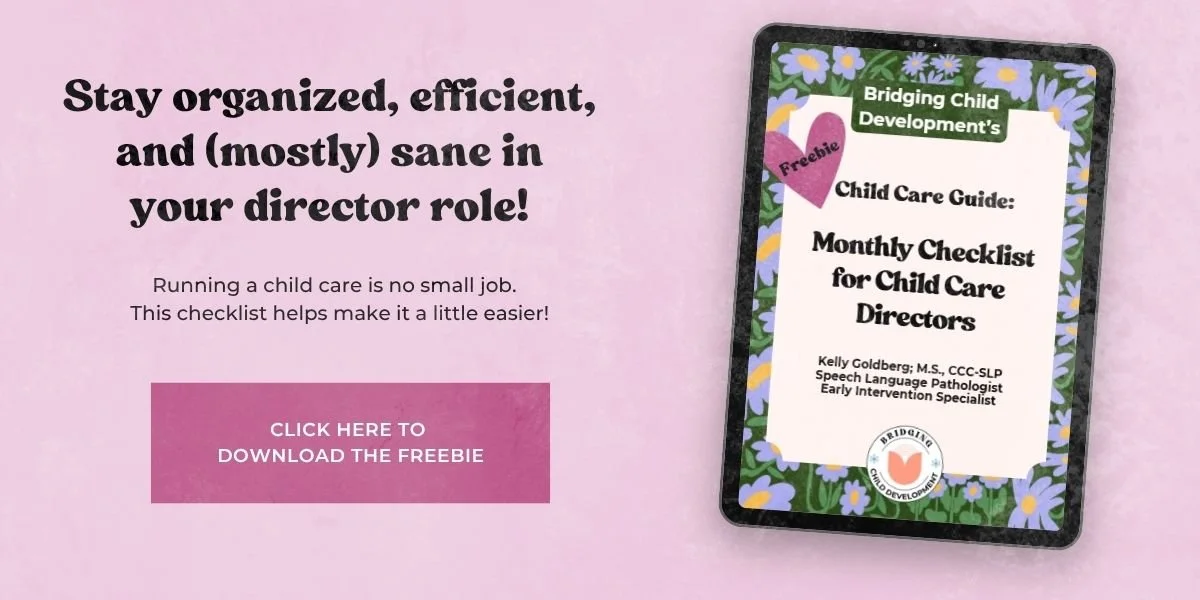
To help make things easier- we put together this FREE checklist together for you! Remember, you’re doing the best you can, and that’s more than enough.