10 Potty Training Skills and How to Work On Them In Your Classroom
Let’s start this blog with a truth every child care provider knows: Potty training in a classroom is different from potty training at home. You’re supporting multiple toddlers with different needs, comfort levels, and home experiences.
But here’s a game changer: Potty training is so much easier when you focus on the skills for potty training. It isn’t one big milestone, it’s ten smaller skills children build and practice over time.
In this blog, we’ll walk through the ten essential potty training skills and give you classroom-friendly ways to strengthen each one. And the best part? Most of these skills can be taught outside the bathroom through play, routines, and simple everyday interactions.
10 Potty Training Skills
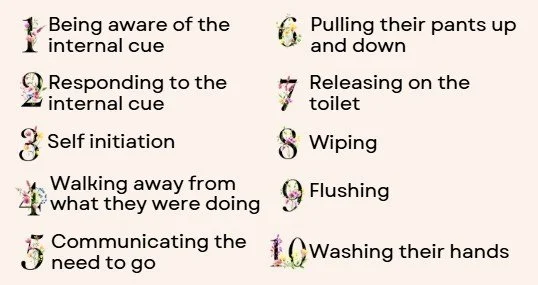
Skill #1: Being Aware of Internal Cues (Interoception)
Before a child can tell you they need the potty, they have to feel the need. That awareness comes from interoception- the body’s ability to notice internal signals like a full bladder or the urge to poop. It’s one of our eight senses and absolutely foundational for potty learning.
How to Build This Skill
Talk about your own body cues during the day:
“I feel like I need to pee. My belly feels full.”
During diaper changes, gently prompt awareness:
“Did your body feel like it needed to poop? Did you feel it in your belly?”
Use dolls or pretend play to model sensations:
“Her belly feels tight. She’s going to sit on the potty!” (Then sit the doll on the toy potty)Read potty-themed books regularly to build familiarity.
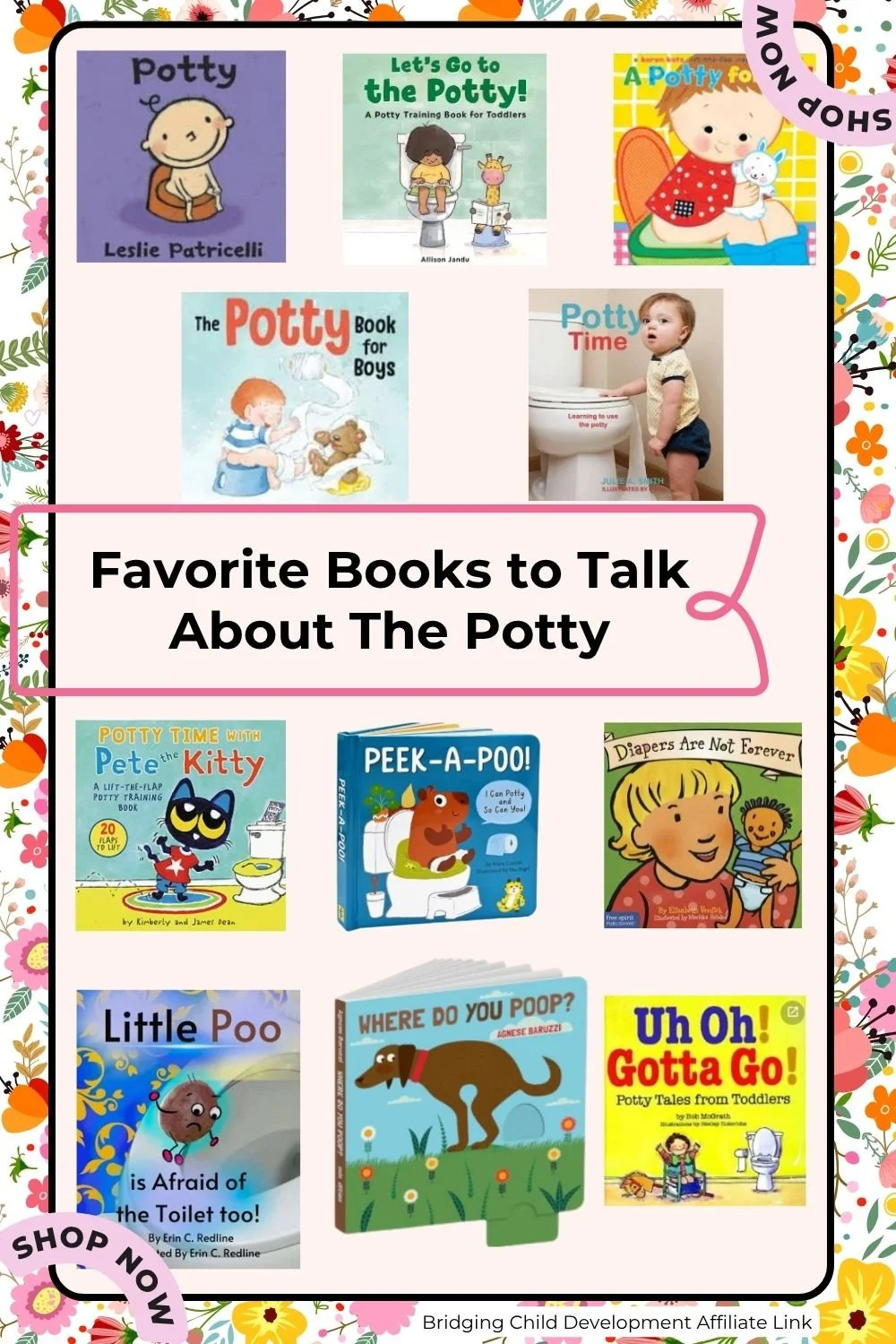
Click the picture to build your class library!
Skill #2: Responding to Internal Cues
Noticing the urge is one thing. Responding to it is another. This is when you see the classic “potty dance,” sudden squatting, crossing legs, or hiding behind furniture.
How to Build This Skill
Catch those body cues in real time and name them:
“Your body is saying it’s time to pee! Feel your belly getting tight? Let’s go sit on the potty.”Use clear, specific language:
“Is your body telling you it needs to poop?” instead of the vague “Do you need to go?”
Skills #3 & #4: Self-Initiation and Walking Away From Activities
These are critical and tricky. When children are deeply absorbed in play, they literally don't feel the urge to go. Plus, if there's bathroom anxiety, their body might ignore the signal altogether.
How to Build These Skills
Model pausing your own play or work:
“I want to keep building, but my body says I need to pee. I’m going to pause and come right back.”Model with dolls:
“The baby has to pee, but she’s playing. She listens to her body, goes potty, and then comes back!”Use visual pause cards so children know their spot is saved.
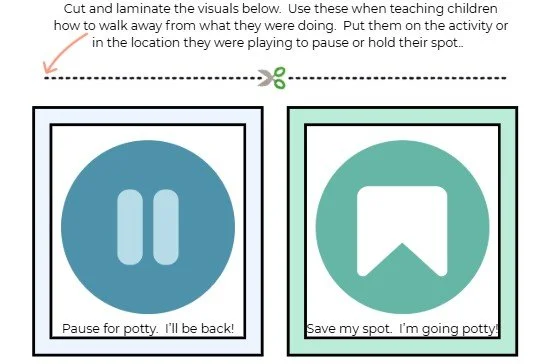
Sample of visual included in the training handbook!
Skill #5: Communicating the Need to Go
Here’s something that surprises many teachers: A child does NOT need to speak to communicate the need to go. Communication can be:
Pointing
Gesturing
Signs
Handing you a picture card
How to Build This Skill
Create a consistent way for children to tell you and model it often.
Point to a picture and say:
“My body is telling me I have to pee.”Use the same simple language every time.
Introduce picture communication cards and model using them daily so children understand they’re available.
Skill #6: Pulling Pants Up and Down
Clothing challenges can make kids hold it longer, feel frustrated, or avoid the potty altogether. The great news? You can practice this skill anywhere.
How to Build This Skill
During diaper changes, let children pull down their own pants, it’s the easiest direction to start with.
Teach them to hook thumbs inside the waistband.
Encourage elastic-waist pants. It’s not laziness, it’s access.
Practice during dress-up, doll play, and transitions.
Skill #7: Releasing on the Toilet
Some children have a hard time relaxing enough to actually release, especially if they’ve experienced constipation, pain, or bathroom anxiety.
How to Build This Skill
Let children sit fully clothed at first to build comfort.
Use calm, reassuring language:
“If something comes out, great. If not, that’s okay. You’re learning.”Keep sits brief (No longer than 4 - 5 minutes).
Never force it. Pressure increases anxiety, and anxiety makes releasing harder.
Include some different “tools” to help with release
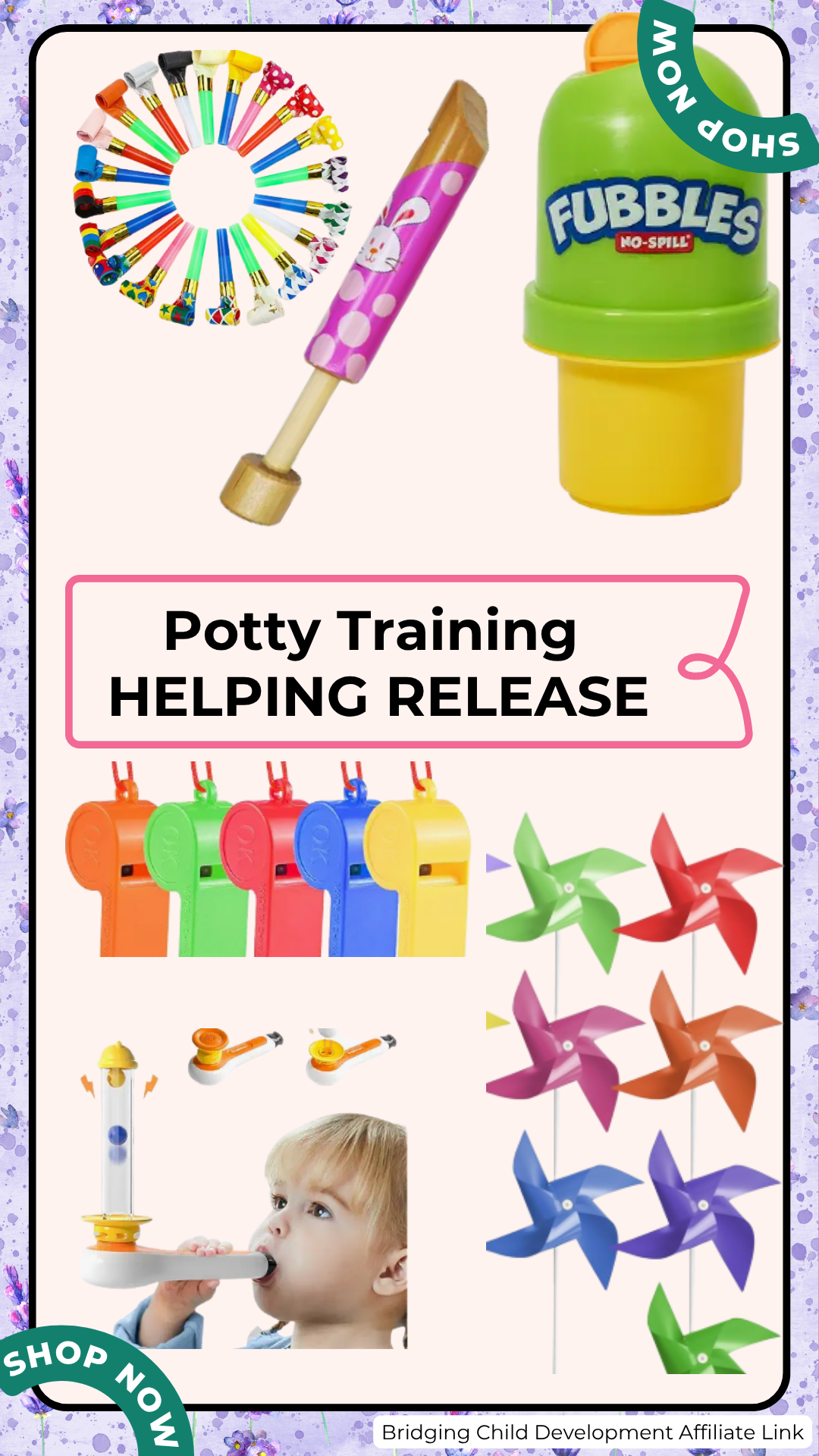
Click the image to build your tool box
Skills #8, #9, & #10: Wiping, Flushing, and Washing Hands
These skills become habits through consistent modeling and practice.
How to Build These Skills
Use dolls and pretend play to show each step.
Teach hand-washing anywhere, it doesn’t have to be in the bathroom.
Use visual sequence cards for each part of the routine.
Make flushing a ritual:
“Bye bye, pee!”For kids afraid of flushing, offer accommodations: Covering ears, stepping back, or flushing for them.
Keep the order predictable: potty → wipe → flush → wash hands.
Why This Matters
Some children master these skills in weeks. Others need months.
When you view potty training as ten small skills instead of one big milestone, everything shifts. You stop waiting for “readiness” to magically appear and start building skills during normal routines and play. Some learn in order. Others jump around.
This isn’t failure. It’s development. You Got this!
Training
〰️
Training 〰️
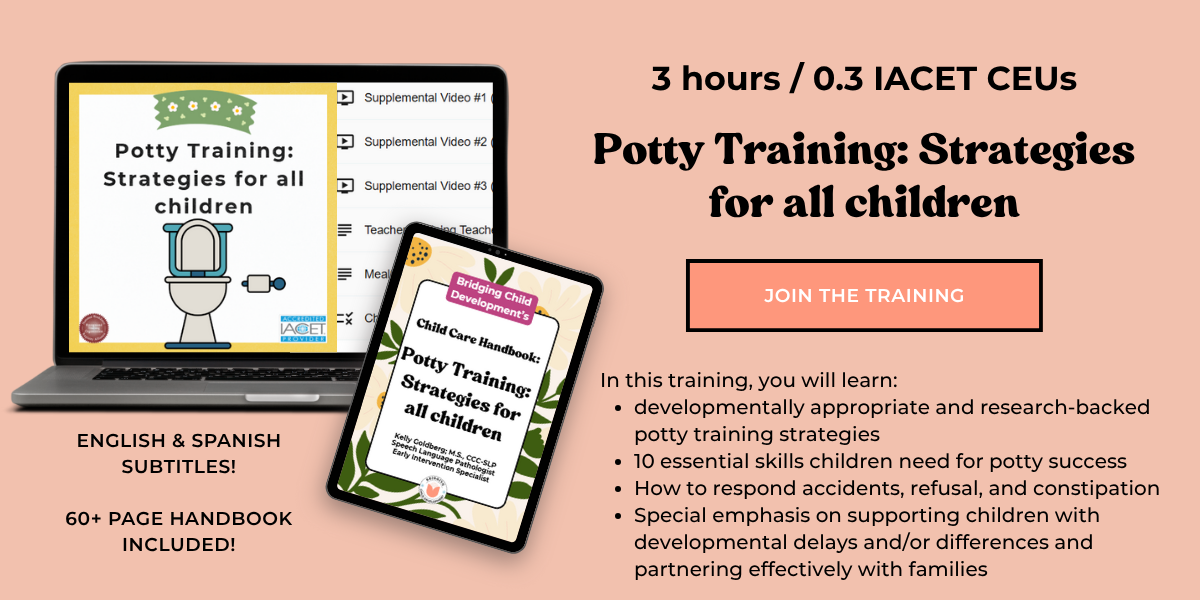
Ready to Support Potty Learning in Your Classroom?
If you want a step-by-step system designed specifically for classrooms- including managing different timelines, troubleshooting common challenges, and partnering with families, we’ve made something just for you.
This page contains affiliate links. We will receive a commission on qualifying purchases using these links