The Best Scissors for Preschool Classrooms (and Why They Matter)
Scissors may seem like a small classroom supply, but for preschoolers they’re much more than that.
Why Scissors Matter in Preschool
Learning to cut helps children build fine motor skills, hand-eye coordination, and independence. It helps children:
Strengthen hand muscles (important for writing later).
Improve bilateral coordination (using both hands together — one holds the paper, one cuts).
Build hand-eye coordination (training the eyes and hands to work together to cut along lines and shapes).
Develop focus and planning (deciding where to cut, following lines).
The right type of scissors can make this skill easier (and safer) for little hands. So, what scissors should you buy for your preschool classroom? Let’s break it down.
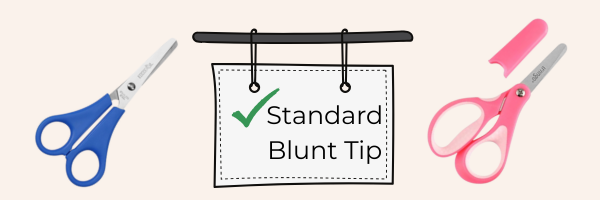
Blunt-Tip Safety Scissors (The Essential)
Why they work:
Designed with rounded tips to reduce the risk of pokes and scratches.
Just the right size for small hands, making them perfect for 3 to 5 year olds.
Encourage children to use the correct grip without feeling too heavy.
When to use: Everyday classroom cutting practice- paper, simple snipping activities, learning to follow lines.
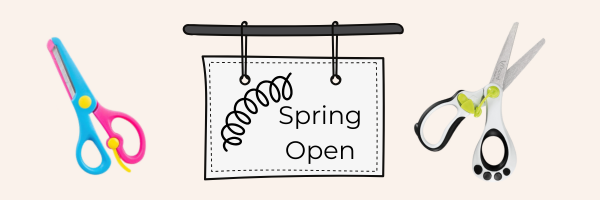
Spring-Assist or Self-Opening Scissors
Why they work:
These scissors have a spring that automatically reopens the blades after each cut.
Perfect for children still building hand strength or those with motor delays.
Reduce fatigue and frustration.
When to use: Children just beginning to cut or with fine motor delays.
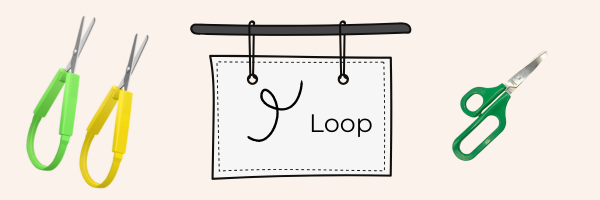
Loop or Adaptive Scissors
Why they work:
Having just one large loop to place fingers around makes grasping scissors easier.
Loop scissors require only a simple squeeze motion and then they spring open.
Great for inclusion and making sure all children can participate in cutting activities.
When to use: When you want to provide universal support in your classroom. They help build confidence for kids who find cutting especially challenging.
Left-Handed Scissors
Why they work:
Left-handed scissors aren’t just a flipped handle- the blades are reversed so left-handed kids can actually see the cutting line.
Using right-handed scissors in the left hand can force an awkward wrist turn and can slow skill development.
When to use: Essential if you have left-handed students (about 1 in 10 children). Always keep a few pairs available.

Teacher Tips for Scissor Success
Teach scissor safety early: What is allowed to be cut, keeping blades pointing away, and only walking with scissors.
Teach how to use scissors: How to apply fingers to scissor loops, keeping thumbs up while cutting, and using supporting hand to move the paper. (We have a cute song for this too to help kids remember!)
Start with simple tasks: Snipping comes first, then cutting paper into two, cutting on a line and then around simple shapes.
Offer cutting stations: Provide different materials (construction paper, magazines, yarn) to keep practice engaging.
Determine type of scissor needed: Some kids may thrive with spring-loaded scissors first, then transition to blunt-tip.
When your scissors actually work for the developmental stage of your students, cutting time becomes a productive learning opportunity instead of an exercise in frustration management. Invest in:
Blunt-tip safety scissors for most children
Spring-open scissors for beginners or those who need extra help
A few left-handed and loop pairs to meet every child’s needs.
Want to go deeper? Check out our training for child care providers and teachers on Supporting Fine Motor Skills from Infancy through Preschool

This page contains affiliate links. We will receive a commission on qualifying purchases using these links.
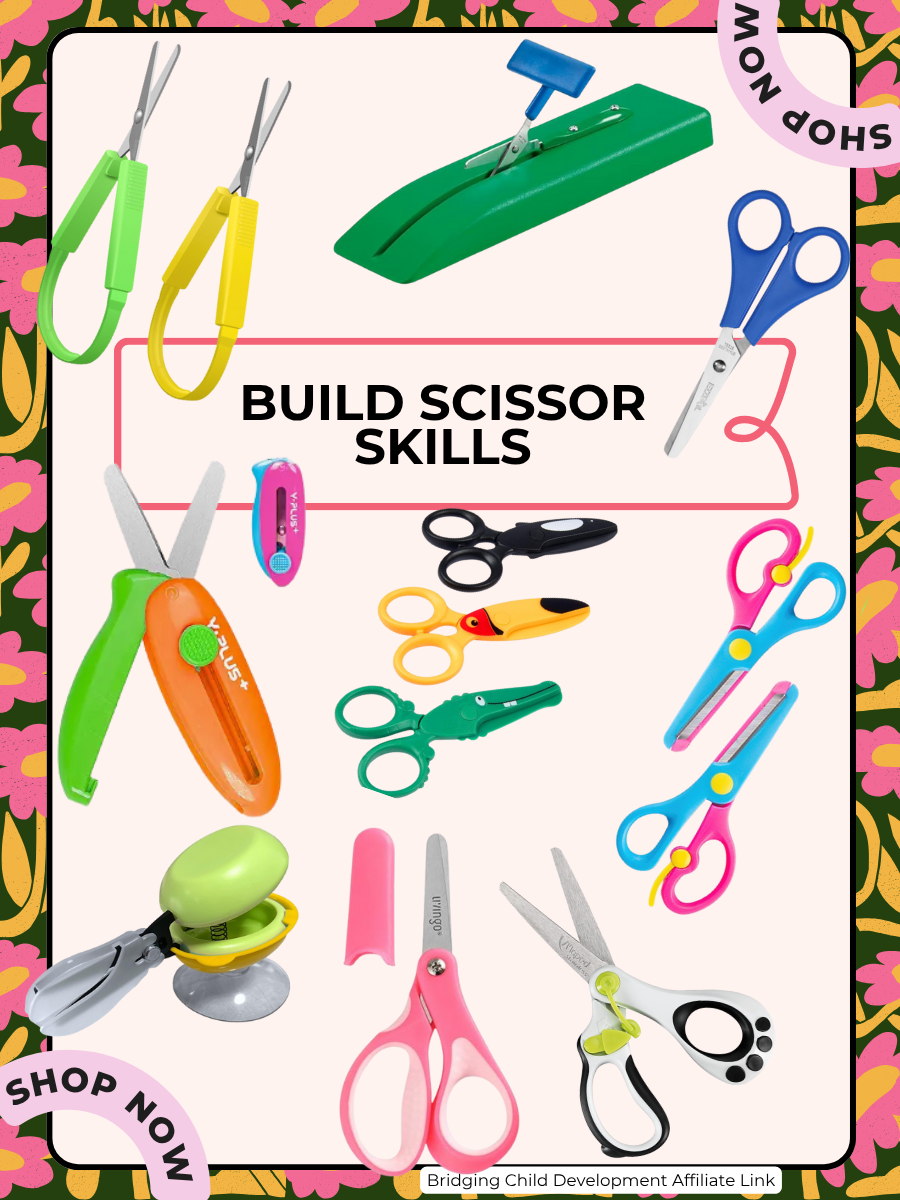
Click on image to go shopping and see all our suggestions!