How to Retain Quality Early Childhood Education Teachers: Onboarding
You found great teachers. Their answers to your interview questions were exactly what you were looking for. You made the offer. They said yes. What’s next? Onboarding.
Onboarding is the quiet powerhouse behind retention, morale, and culture…and too many centers treat it as an afterthought.
A detailed and thoughtful onboarding experience helps new hires feel welcome, prepared, and supported. It sets the tone for how they see your leadership, your program, and their place within it. Thinking back to my own time as a director, onboarding was an area I wish I had given more structure and consistency. A good system doesn’t just complete paperwork, it builds connection, confidence, and commitment.
In this blog we’ll take a deep dive into what an intentional onboarding process should look like and how to build one that makes new staff feel like they’ve arrived somewhere special.
Early Childhood Education Teacher Onboarding Essentials
Orientation Day
Try to meet with new hires before they step into the classroom or on their first official day.
What Orientation Should Cover
Essential policies and procedures
Safety protocols (non-negotiable!)
Center values, mission, and expectations
Classroom responsibilities and schedule overview
Required paperwork, logins, and access setup
Keep this meeting short, focused, and personal. New hires walk in with a mix of nerves and excitement, and too much information at once can be overwhelming. Think of orientation as the foundation they’ll build the rest through hands-on experience and mentorship.
Pro Tip: Prepare a simple welcome folder or packet with emergency numbers, a quick guide to ratios, and a sample classroom schedule. Small touches feel big on day one. Grab the freebie at the end of this blog!
Assign a Mentor Teacher
A mentor is your new hire’s first friend, helper, and “safe person” in the building.
Choose someone who:
Is a seasoned teacher
Enjoys helping others and wants to support new staff
Communicates clearly
A Mentor Can Help With:
Answering day-to-day questions
Demonstrating classroom routines (snack, nap, potty schedules)
Navigating the culture of the center
Modeling communication with families
Offering reassurance when things feel overwhelming
Mentorship also strengthens team culture. When veteran teachers step into leadership roles, it reinforces their value and encourages a sense of ownership and pride within your staff.
Why the First Week Matters
The first week is everything. How a new hire experiences your center from their interactions with leadership to how your team welcomes them will shape their perception of your program and their decision to stay long term.
During this time:
Be visibly present. Stop by their classroom, check in, and offer support without hovering.
Check in daily. Even five minutes makes a huge difference.
Celebrate small wins. Learning names, leading circle time, or navigating their first parent question all deserve recognition.
Provide a buddy for breaks. No one wants to eat lunch alone during their first week.
In the first week, new hires often decide whether your center will be their long-term professional home or just a short-term stepping stone. The goal is to make them feel that they’ve found the right place to grow.
The First 30 Days: Moving From New Hire to Team Member
A structured 30-day plan ensures consistency and helps new hires build skills without feeling rushed or overwhelmed.
Week 1:
Shadowing, observing routines, and easing into participation.
Week 2:
Leading center activities, co-leading transitions, and beginning light parent interactions.
Week 3:
Taking ownership of parts of the daily schedule, documenting observations, and leading small groups.
Week 4:
Increasing independence with planned check-ins, confidence-building feedback, and reviewing goals.
Grab the freebie at the end of this blog!
A well-paced, intentional transition sets new teachers up for long-term success. During the first month, focus on:
Giving them time to observe
Learn routines
Build comfort before taking on full responsibilities.
Encourage new hires to shadow their mentor, ask questions, and actively participate in daily routines. If lesson planning is part of their role, allow them to start by:
Observing the curriculum
Assisting with activity ideas
Contributing to small pieces of the plan.
Every teacher will reach confidence at a different pace. Some may be eager to jump in by week two, while others may need more time. Ideally, full lesson-planning responsibilities begin around week four or five, after routines, expectations, and classroom culture are firmly established.
This gradual onboarding helps teachers feel supported, capable, and ready to thrive in your center.
Freebie
🌷
Freebie 🌷
2 Free Resources for Directors:
Fillable Welcome Packet and Mentor Checklist!
We created two free resources for you! A welcome packet you can download and fill in with your childcare’s information AND a mentor checklist with a time line! Click to download.
Why Onboarding Matters More Than You Think
A strong onboarding system helps you:
Reduce turnover
Build confident, capable staff
Strengthen team culture
Improve the overall quality of care
Set expectations early—and clearly
Ultimately, onboarding isn’t just about welcoming staff.
It’s about helping them belong.
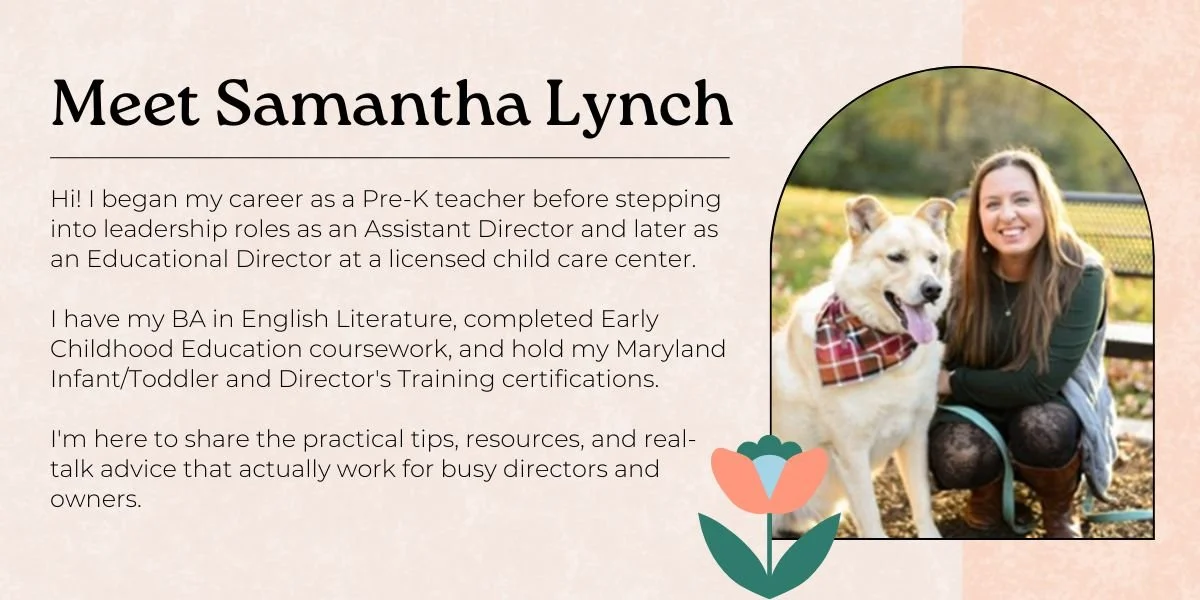
Director Reflection
“If I could go back in time, I would invest far more into creating a consistent onboarding system. When new hires feel guided and valued from day one, everything else falls into place.” - Sam