You already juggle so much, you don’t need one more thing to plan and prep to make sure your preschoolers are working on key developmental skills. That’s why I love board games- you can target communication, language, social emotional, and fine motor skills, all with zero extra prep.
Our Occupational Therapist and Speech Language Pathologist (that’s me!) put together this approved list of “board games” for you to play with the 3 - 5 year olds in your preschool class.
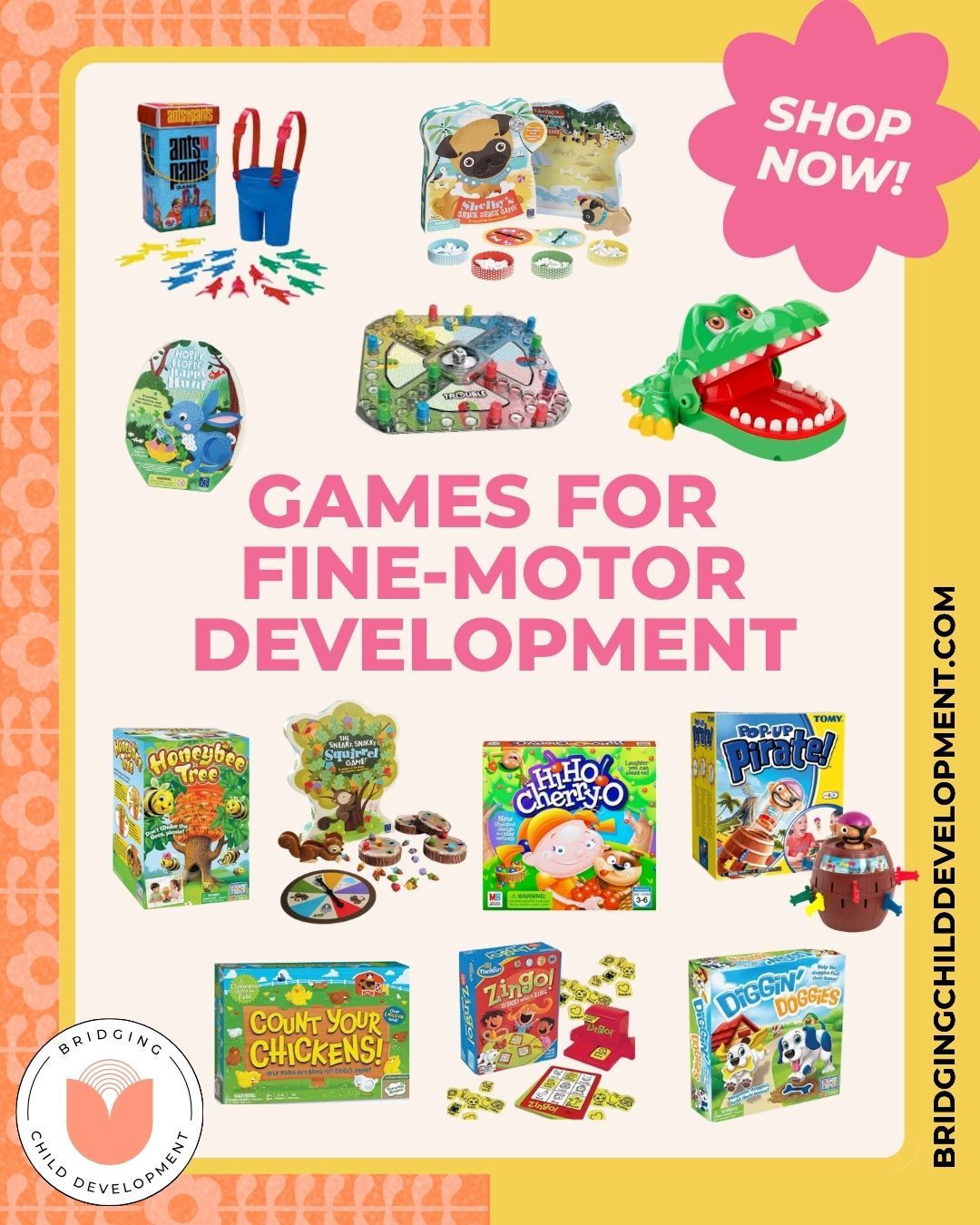
Click image to see all. Affiliate link.
When looking for games to play with your class that work on fine motor skills, look for ones with tongs, require picking up and manipulating small pieces, or fitting pieces in. These types of games are building hand strength, coordination, object manipulation, and bilateral coordination (using two hands together) which support later drawing, writing skills, and self help skills.
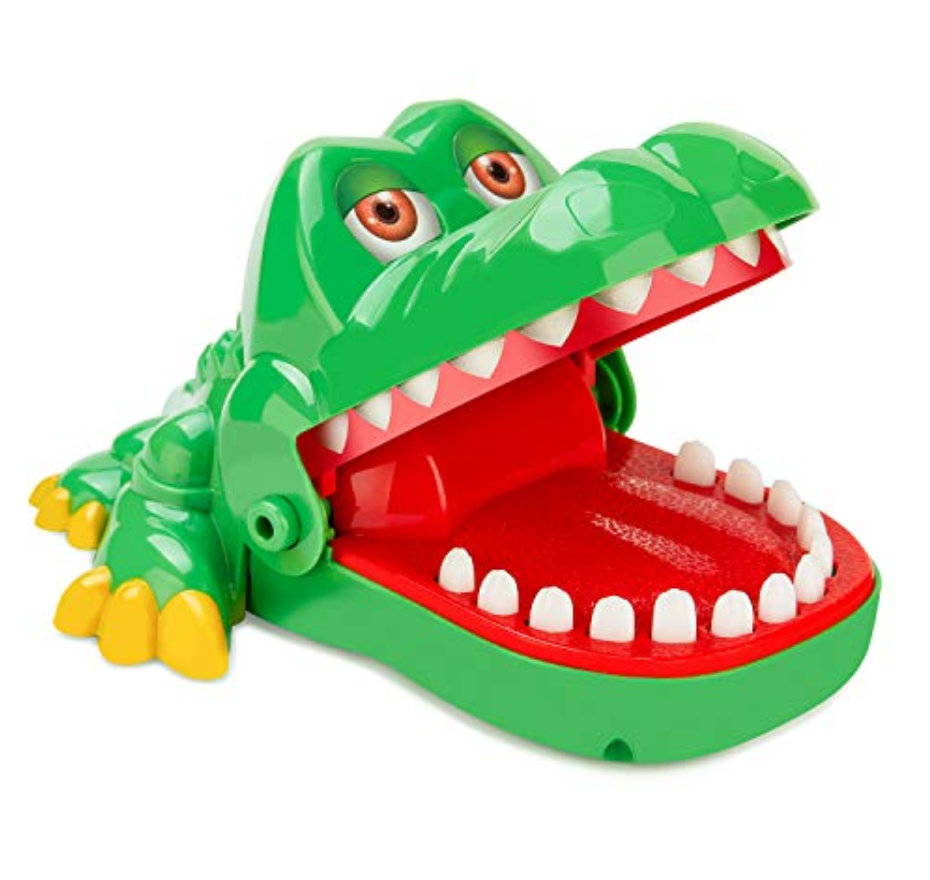
1. Crocodile Dentist- In order to press each tooth, the child must
isolate their pointer finger and use graded
hand strength (pushing with just the right amount of force) which strengthens control needed for pointing and even holding a pencil correctly.
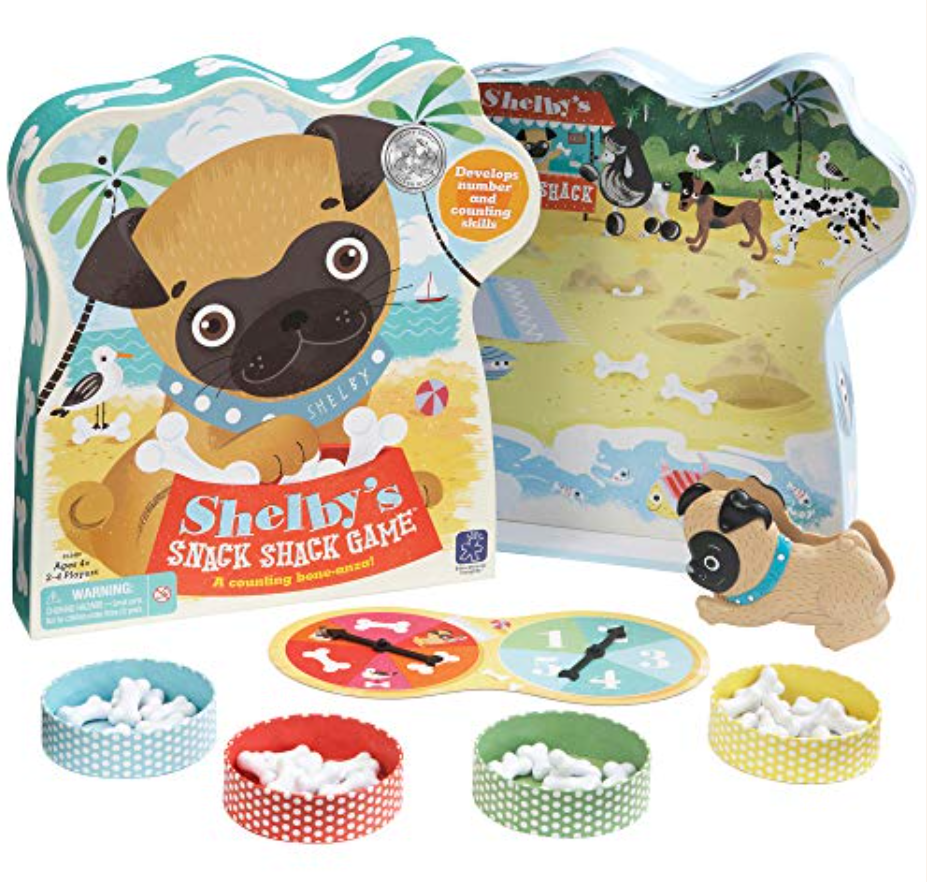
2. Shelby Snack Shack- Shelby the dog is actually tweezers which work on strength and
eye hand coordination as children use Shelby to pick up the bones and drop them in their bowl. They also have to flick the spinner, working on
strength, coordination, and finger isolation. 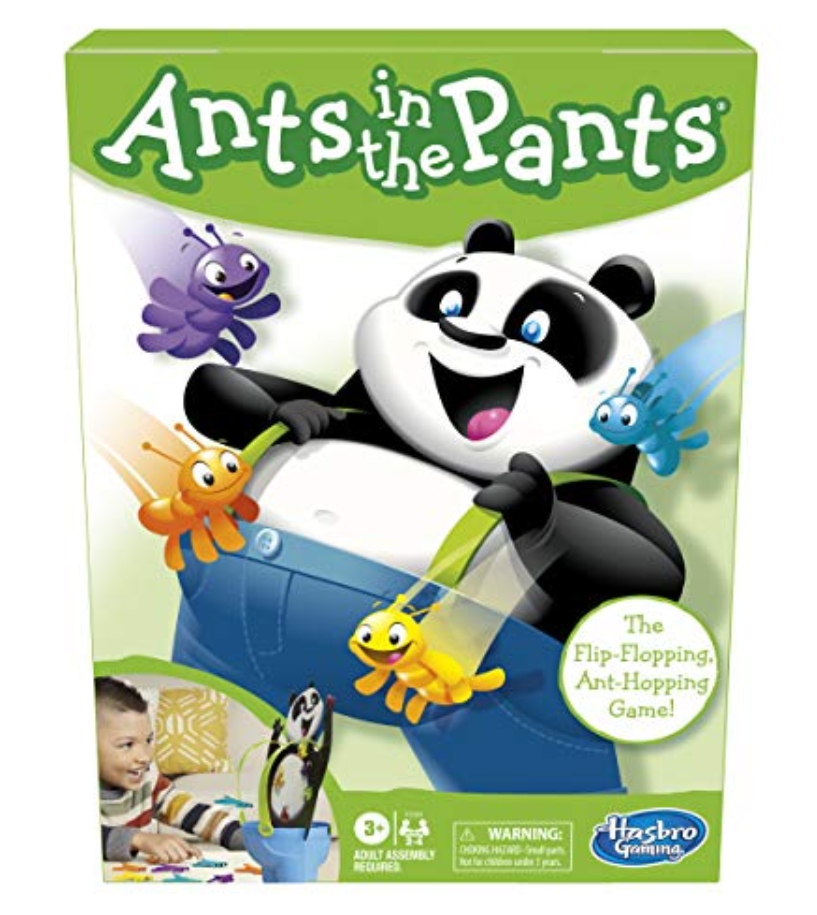
3. Ants in pants the game- This game involves pressing on the ants so they pop up and into the pants. That requires the child to
isolate their pointer finger and builds
strength, both support future handwriting and self-help skills like buttoning.
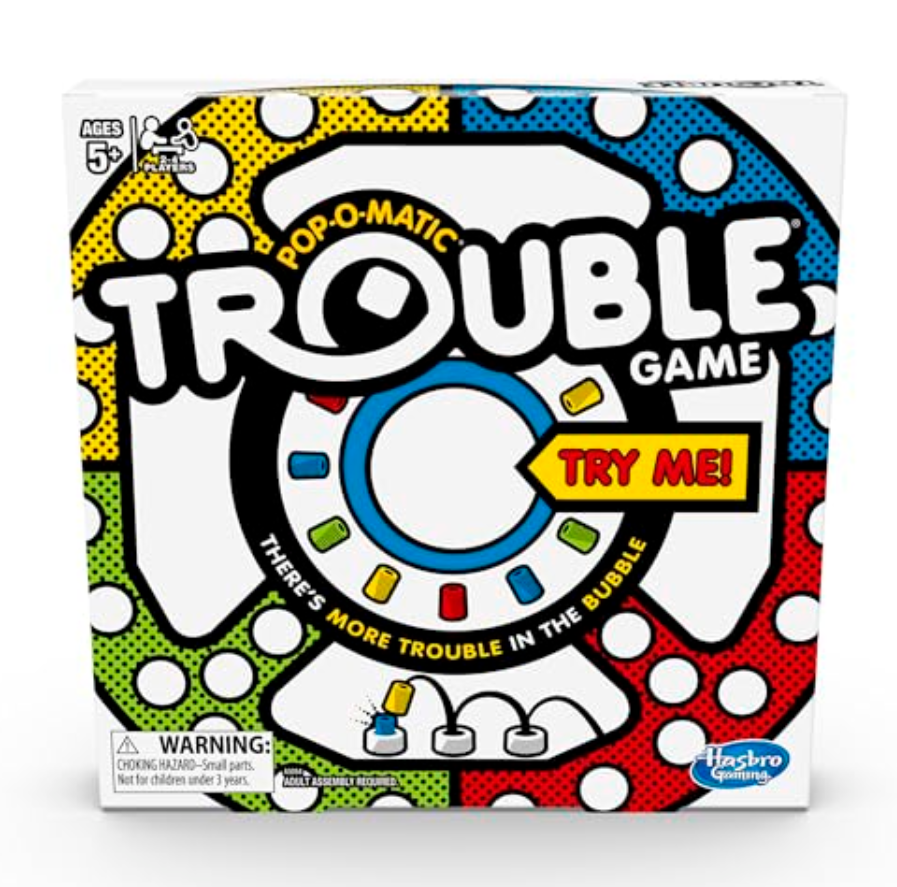
4. Trouble- Children need
strength to push down the bubble that rolls the dice,
pincer grasp to pick up the game pieces and
coordination to place the pieces in the correct hole.
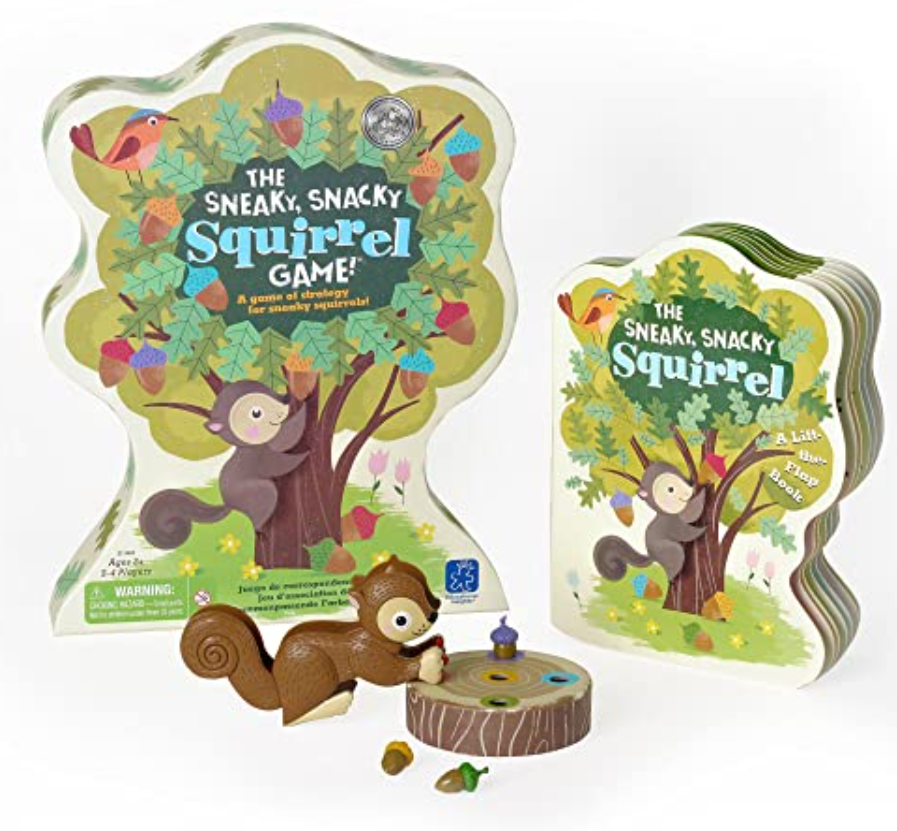
5. Sneaky Snacky Squirrel- By picking up and placing the small acorns with the squirrel tweezers into a small hole, children are building
strength and hand–eye coordination. 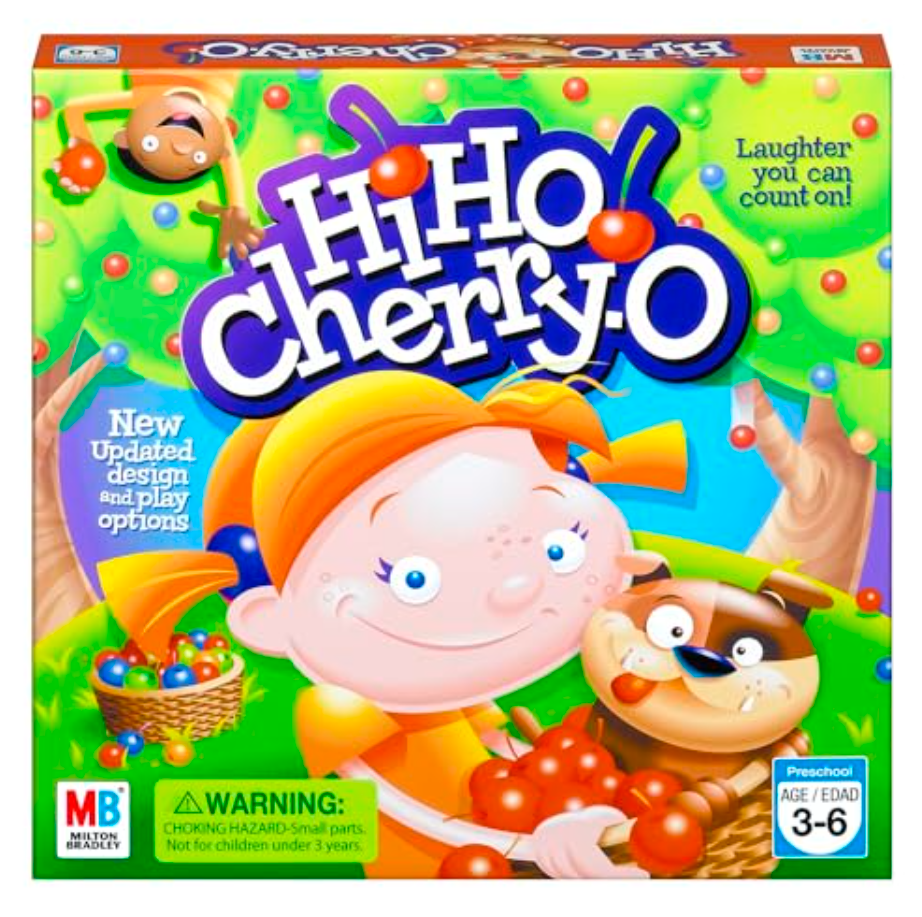
6. Hi-Ho! Cherry-O- Picking up the small fruits works on
pincer grasp and eye hand coordination as they have to drop fruits into the small basket.
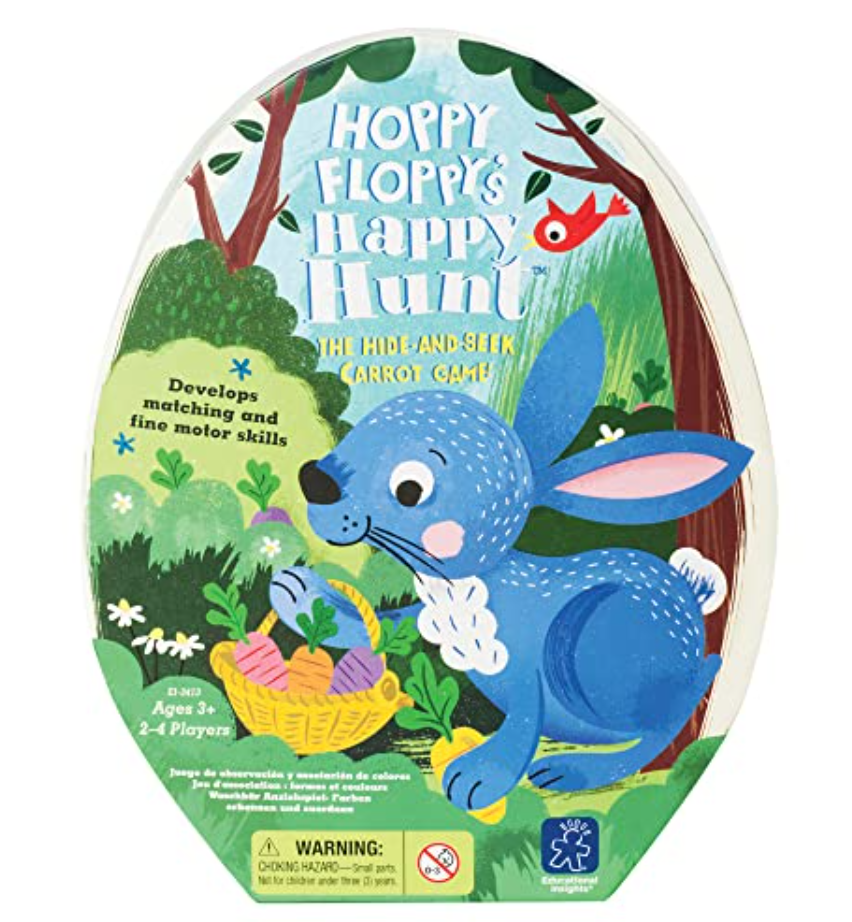
7. Hoppy Floppy Happy Hunt- The bunny is tweezers so children are building
strength and eye hand coordination as they drop carrots into a basket.
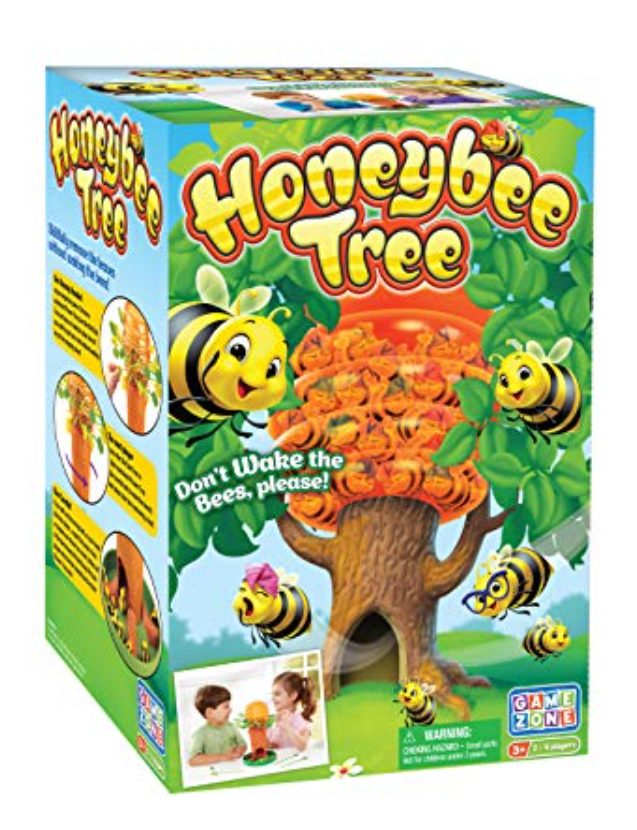
8. Honey bee tree- To set up the game they need to use
eye hand coordination to put the thin sticks into small holes. To play the game they need to
grasp and remove the sticks and pick up any bees that fell working on
pincer grasp.
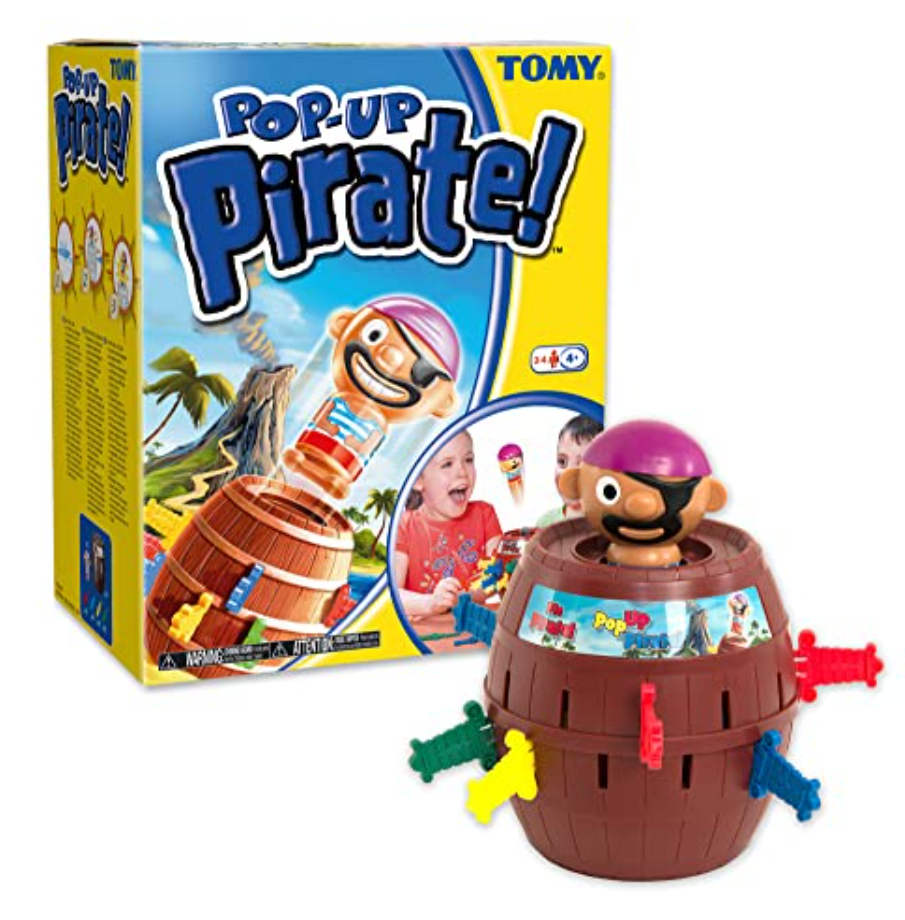
9. Pop Up Pirate- inserting the swords into slots works on
eye hand coordination, manipulating objects in their hand, and bilateral coordination as the child has to use their hands in two different ways- one holds the barrel and the other puts the sword in.
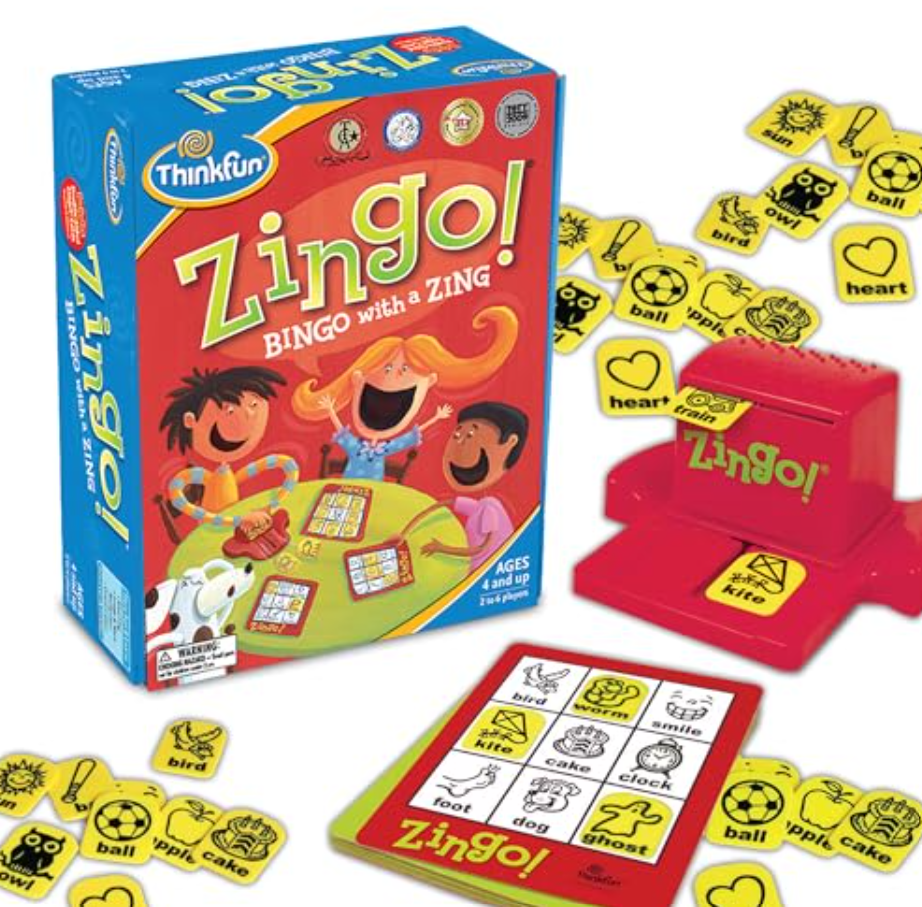
10. Zingo- Sliding the tile dispenser requires
bilateral coordination as one hand stabilizes and the other pulls. Then they have to pick up and match tiles to pictures which works on
object manipulation. 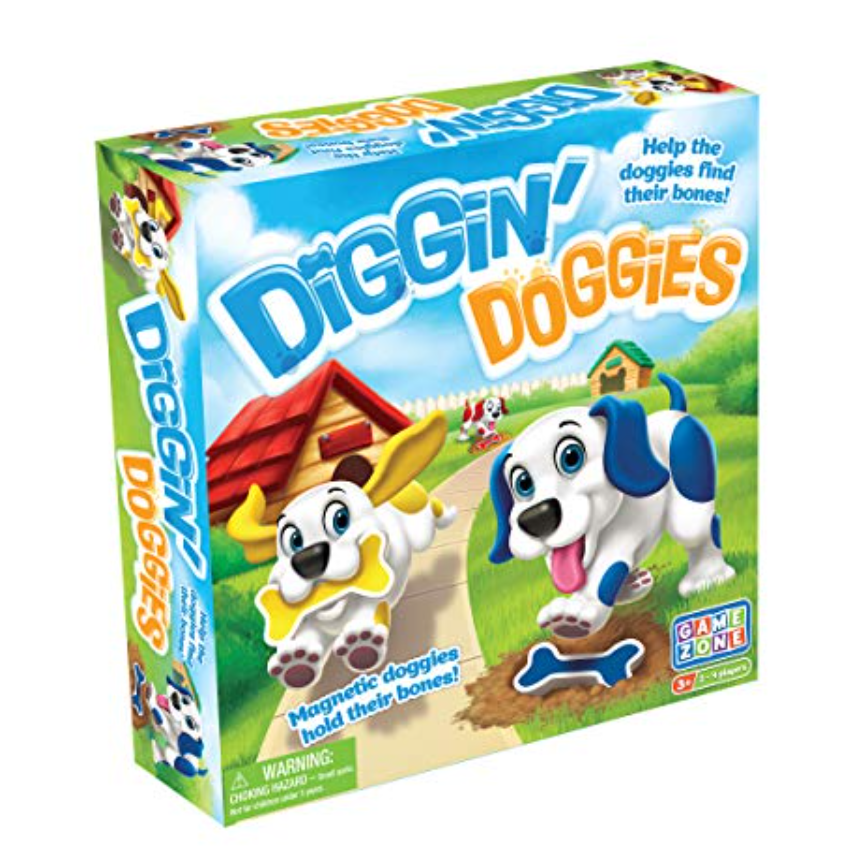
11. Diggin Doggies- Children press on the Mama dog which builds
strength and then use their puppy to pick up bones and move them to their dog house which works on
eye hand coordination. 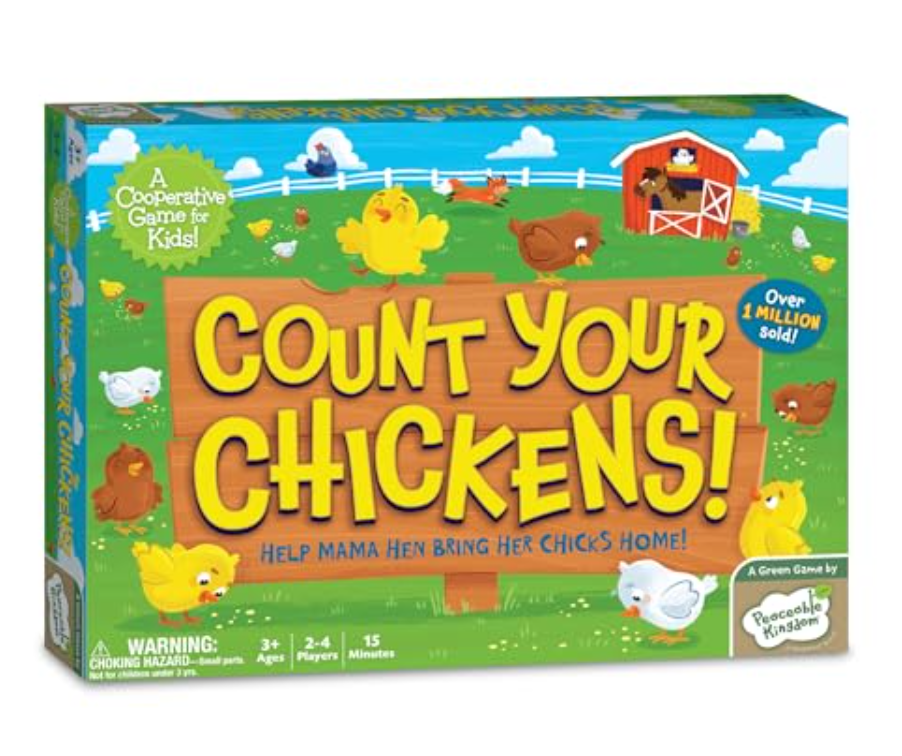
12. Count your chickens- Moving small chicks into the coop requires
pincer grasp and coordination while moving the Mama hen requires
eye hand coordination. Here's why I love games (as an SLP):
Every one of these is also a rich language and vocabulary activity. While children think they're just playing, you can naturally target the communication skills that build strong talkers!
- Action words (verbs): In order for children to use long and descriptive sentences, they need verbs! Narrate as you play: "You're squeezing! "Pull, pull, pull!" "Press hard!" Wow, it popped up!" "The dog dropped the bone!" "Spin the spinner." All of these models of verbs build the vocabulary preschoolers need for more complex sentences.
- Spatial and positional concepts: in, out, on, under, top, next to. All of these games lend themselves to this vocabulary which is huge for following directions and early math and literacy skills!
- Requesting and turn-taking: "My turn," "your turn," "I want more," "all done." The natural back-and-forth of a board game is one of the easiest ways to practice the social side of communication.
- Themed vocabulary: animals (squirrel, bunny, bee, chicken, pirate), foods (acorn, carrot, cherry, bone), colors, and numbers. Pause to name and describe: "That's a tiny green acorn!" Kids learn words when they are used in context, games are perfect for context and hands on!
- Following 1- and 2-step directions: "Pick up the red cherry and put it in the bucket." Children need practice with following directions and games are so motivational!
- Commenting, predicting, and asking questions: Communication is more that requesting! We want kids using language for all sorts of functions. Model: "Uh oh!" "I got it!" "I think this bone will be red!" "I like this!"
Teacher tip: Of course we know, language isn't being build from the game itself, it's you talking through it. The more you narrate, repeat, and ask open-ended questions during play, the more preschool language growth you'll get out of every turn.
If you'd love even more ready-to-use ways to support fine motor skills in your preschool classroom, our on-demand trainings are made for exactly that. You'll walk away with practical strategies and activities you can use the very next day
and you'll earn the training hours you need to maintain your child care license.
As an IACET-approved organization, our continuing education is recognized and accepted across many states, so your time counts toward the hours your program already requires.
Board games that use tongs, tweezers, small pieces, spinners, and push-button pieces give children repeated, playful practice with pincer grasp, hand strength, finger isolation, eye-hand coordination, and bilateral coordination — the building blocks of pre-writing and handwriting skills and self-help skills like buttoning and zipping.
Look for games with a tool to manipulate (tongs, tweezers, or squeezers) or small pieces to place. Favorites for the classroom include The Sneaky, Snacky Squirrel Game, Hi Ho! Cherry-O, Pop-Up Pirate, Honey Bee Tree, and Zingo — all included in the list above.
At this age, children are developing pincer grasp, hand strength, finger isolation, in-hand manipulation, eye-hand coordination, and bilateral coordination. These skills lay the foundation for handwriting, cutting, and everyday self-help skills.