Science activities for toddlers and preschoolers are a great place to invite children to observe, predict, test ideas, ask questions, and communicate what they discover.
These hands-on experiences also provide valuable opportunities to support language and vocabulary development, problem-solving, critical thinking, sensory exploration, and early scientific reasoning. I'm sharing 7 Science experiments you can do with toddlers and preschoolers this fall!
Before we get into the fall science experiments for toddlers and preschoolers lets first talk about how you can make these experiences even more meaningful by intentionally incorporating vocabulary.
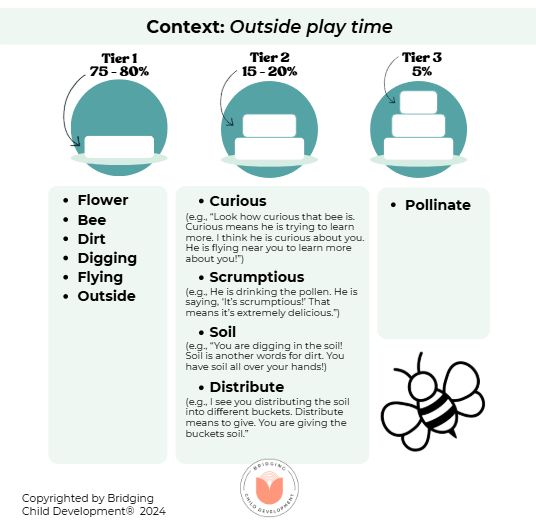
When it comes to picking words to teach, not all words are created equal. We can break words into 3 tiers, Tier 1, Tier 2, and Tier 3.
Tier 1 words rarely need to be explicitly taught. They make up about 75-80% of the words we are using in a lesson and we don't need to directly teach these words.
Tier 2 words are key to comprehension and frequently used by mature language users. They make up 15-20% of words in our lesson and these are the words we are directly teaching the meaning to and want kids to use throughout their day in other contexts. Tier 2 words are also words children will likely see in books. They are higher level but words that could also be used in lots of other routines throughout your day.
Tier 3 words are rare, low frequency words or academic words. They make up a small amount of the words we are using in a lesson. Tier 3 words are specific to a content area or used in a specific way depending on the context. We might pick one of these words to directly teach but they are so specific to the topic they are hard to generalize during the day, so we don't spend a ton of time with them.
There are too many words to literally sit down with a child and go one by one and teach every single word in a language. It's impossible. So how do we most effectively teach vocabulary to children? Keep reading!
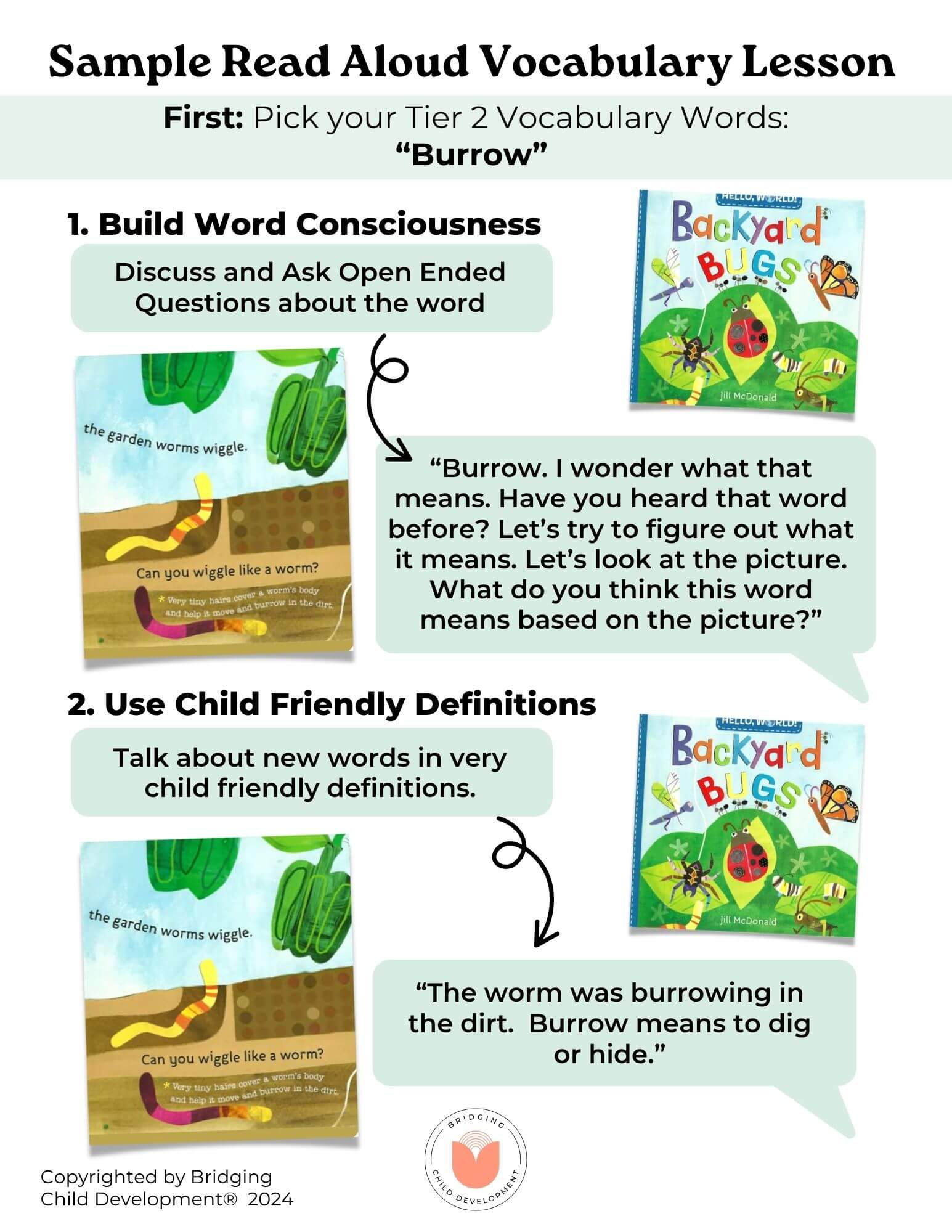
First, we need our early childhood education classrooms to be a vocabulary rich environment. Learning tier 1 words, and other words too, happens incidentally. That means, just by using them in context frequently, kids are going to learn their meanings. But we know, incidental learning is not enough and we also need to directly teach some words and their meanings. The words we should be directly teaching are Tier 2 words. You can do this by building word consciousness and providing child friendly definitions.
Word consciousness basically means getting kids excited in listening for new words and interest in learning their meanings. A child friendly definition is literally just that, a definition of the word that a toddler or preschooler can understand. Here's an example in the context of reading a book.
So now that you know what words to teach and how to teach vocabulary, lets get into the actual Science experiments for toddlers and preschoolers!
Toddler and Preschool Fall Science Experiments
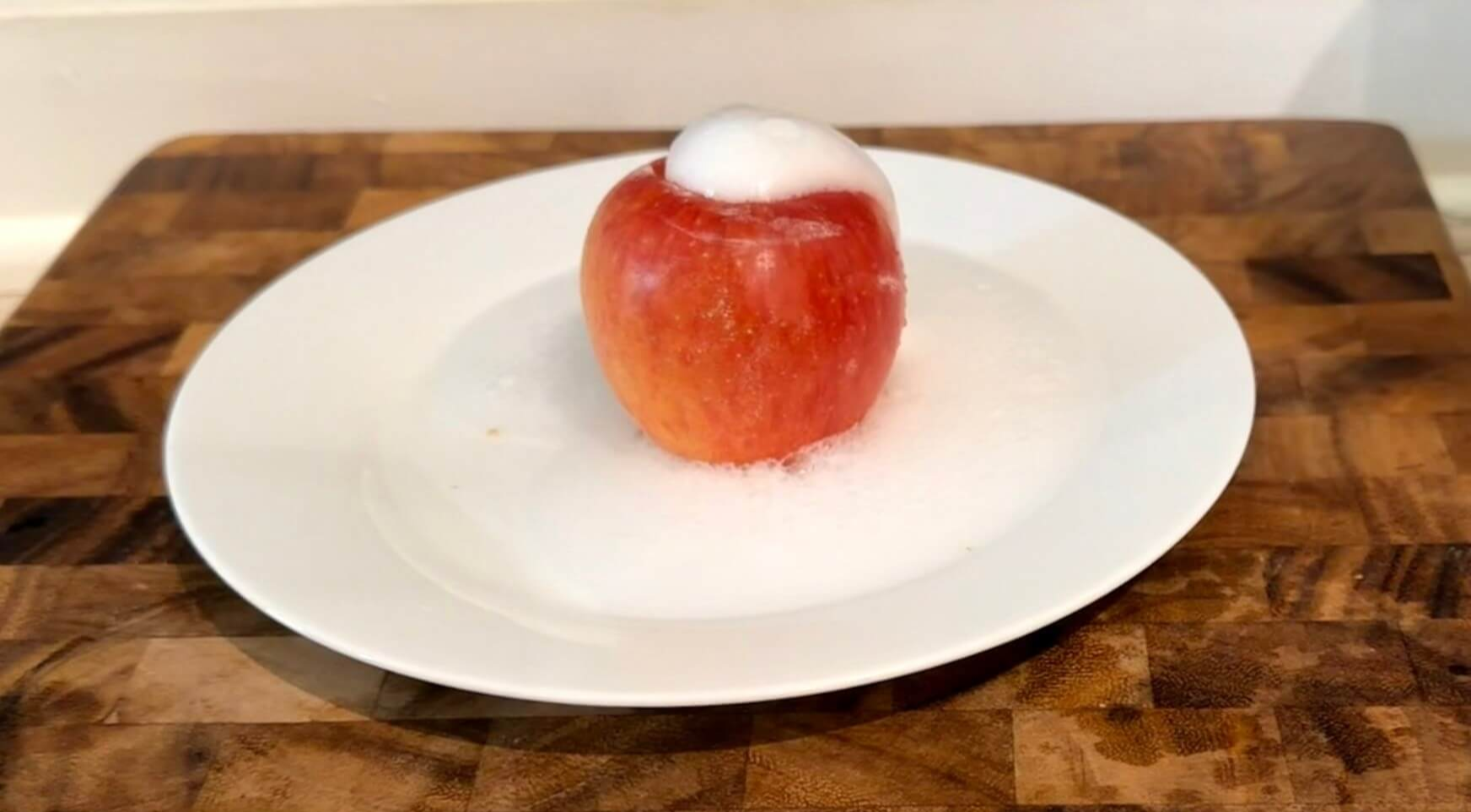
Children observe a chemical reaction as baking soda and vinegar combine to create a bubbling "lava." This introduces basic concepts of cause and effect while encouraging children to make predictions and observe changes.
Materials:- Apple
- Baking soda
- Vinegar
- Food coloring (optional)
- Small spoon
Directions:
Step 1: Remove the core of the apple but keep the bottom intact, so there is a cavity.
Step 2: Spoon the baking soda into the bottom of the apple. Add food coloring if desired.
Step 3: Pour the vinegar over the baking soda and watch it erupt!
Tier 2 Vocabulary Words:
Fizzing, overflowing, erupting, combine
Example- "I notice the mixture is erupting out of the apple! That means it was bursting or breaking out of the apple. It was erupting."
Adapt for Infants:Allow infants to explore the whole apple (not slices or small pieces) using their hands. Modeling words like, "Wow!" "Apple" "Yum" "Mmmmmm!"
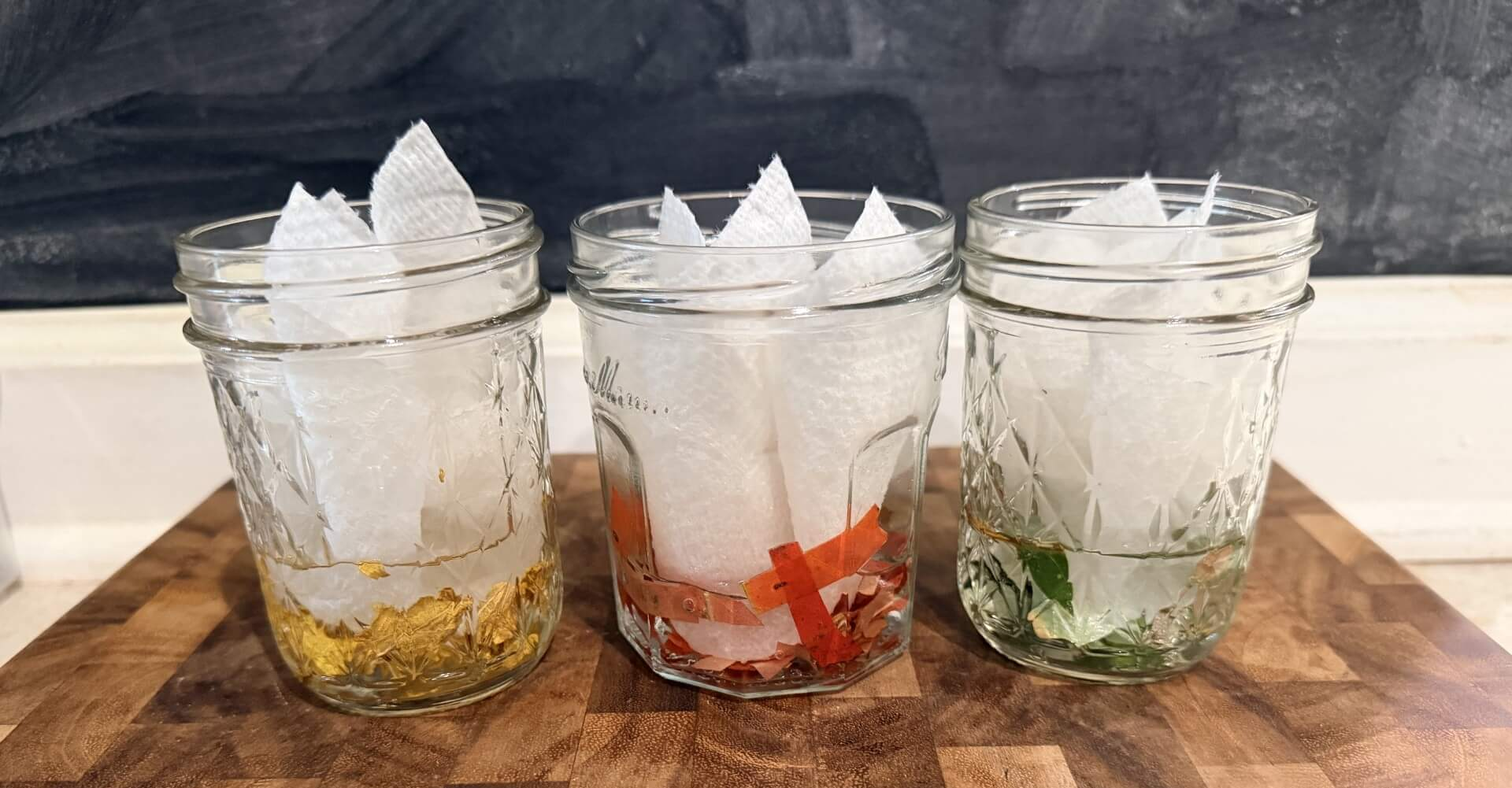
Children discover that leaves contain different pigments, even when they appear green. As the seasons change, chlorophyll breaks down and reveals some of the beautiful reds, oranges, and yellows hidden inside the leaves.
The activity encourages children to compare colors and observe how materials can change.
Materials:- Clear Jars (4)
- White Coffee filters (or Paper towels)
- Leaves in varying colors
- Rubbing alcohol
Directions:
Step 1: Sort the leaves by color into containers. Leaves should be shredded or torn first.
Step 2: Cover the leaves with the rubbing alcohol. The rubbing alcohol should show the color of the leaves.
Step 3: Place in the coffee filters or paper towels in a cone shape so it is touching the rubbing alcohol and allow it to sit and absorb the liquid.
Tier 2 Vocabulary Words:Predict, absorb, appear
Example: "What do you predict will happen next? Predict means guess. What do you guess or what do you predict will happen?"
Adapt for Infants:
Collect leaves and place in shallow tray for children to safely explore during tummy time. Model words like, "Leaf" "Wow!" "Crunch crunch crunch!"
Children make predictions before testing which fall objects sink or float in order to understand that objects have different characteristics that affect whether they sink or float in water.
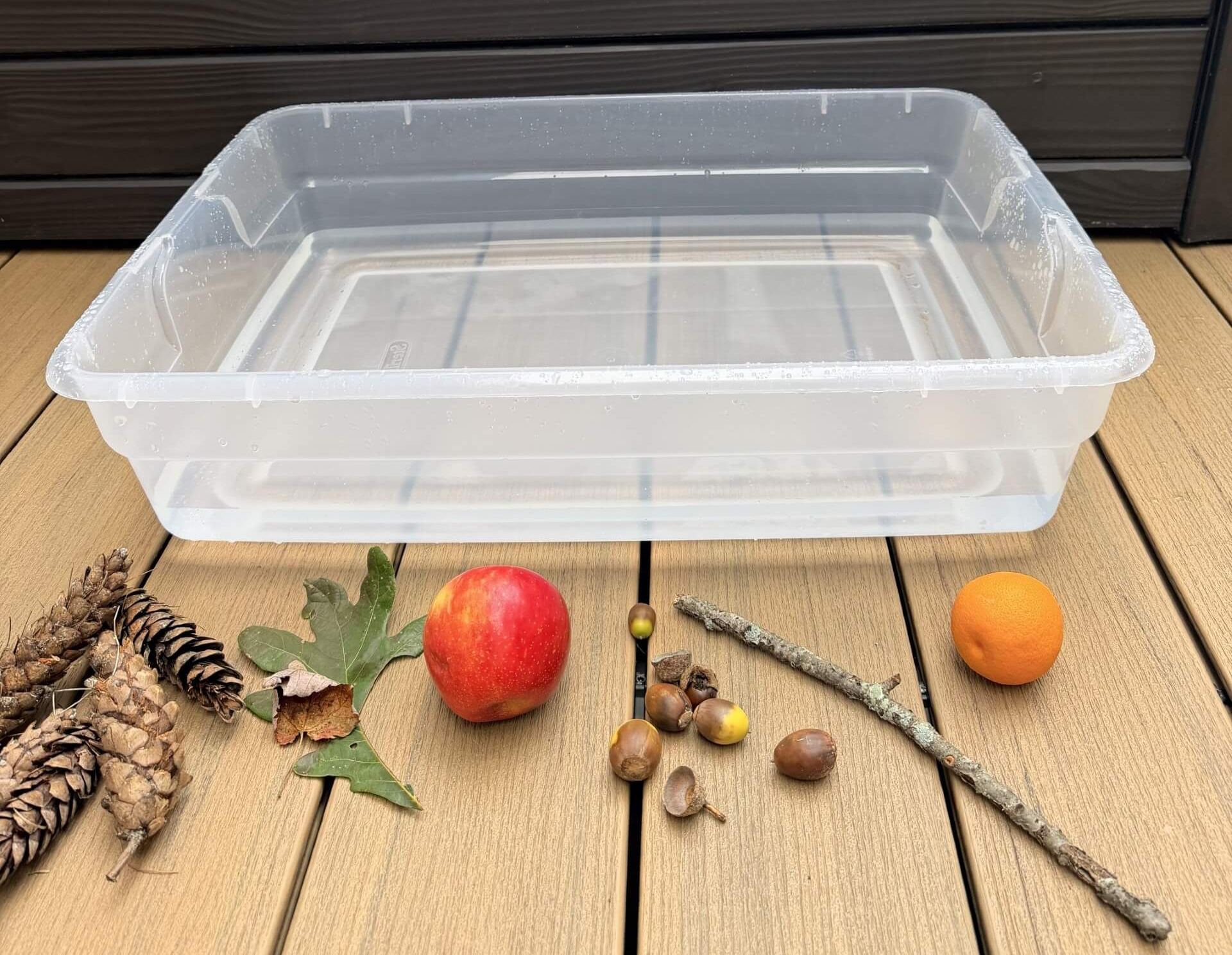
Materials:- Water table or clear tub
- Apples
- Acorns
- Pinecones
- Small pumpkins or gourds
- Leaves & sticks
Directions:
Step 1: Fill sensory bin or clear tub with water.
Step 2: Ask students to make predictions about whether each fall themed item will sink or float.
Step 3: Place items in the bin and observe to see whether it sinks or floats. Record observations.
Tier 2 Vocabulary Words:Sink, float, buoyancy, observe
Example: "Look the stick is floating. That means it is staying on the top of the water. It did not sink. It did not go under the water. It is floating on the top."
Adapt for Infants:Fill a baking sheet with water or use a water mat. Allow babies to explore during tummy time. Model words: "Pat, pat, pat" "Water." "Buuurrrrr." "Wow!" "Oh no!" "Wet!" Always directly supervise babies during any water play, no matter how shallow!
Take predictions before placing the pinecone in the water and record them for children to see. Pinecones respond to moisture. Their scales close when they become wet and open as they dry. This provides an opportunity for children to observe how plants respond to their environment.
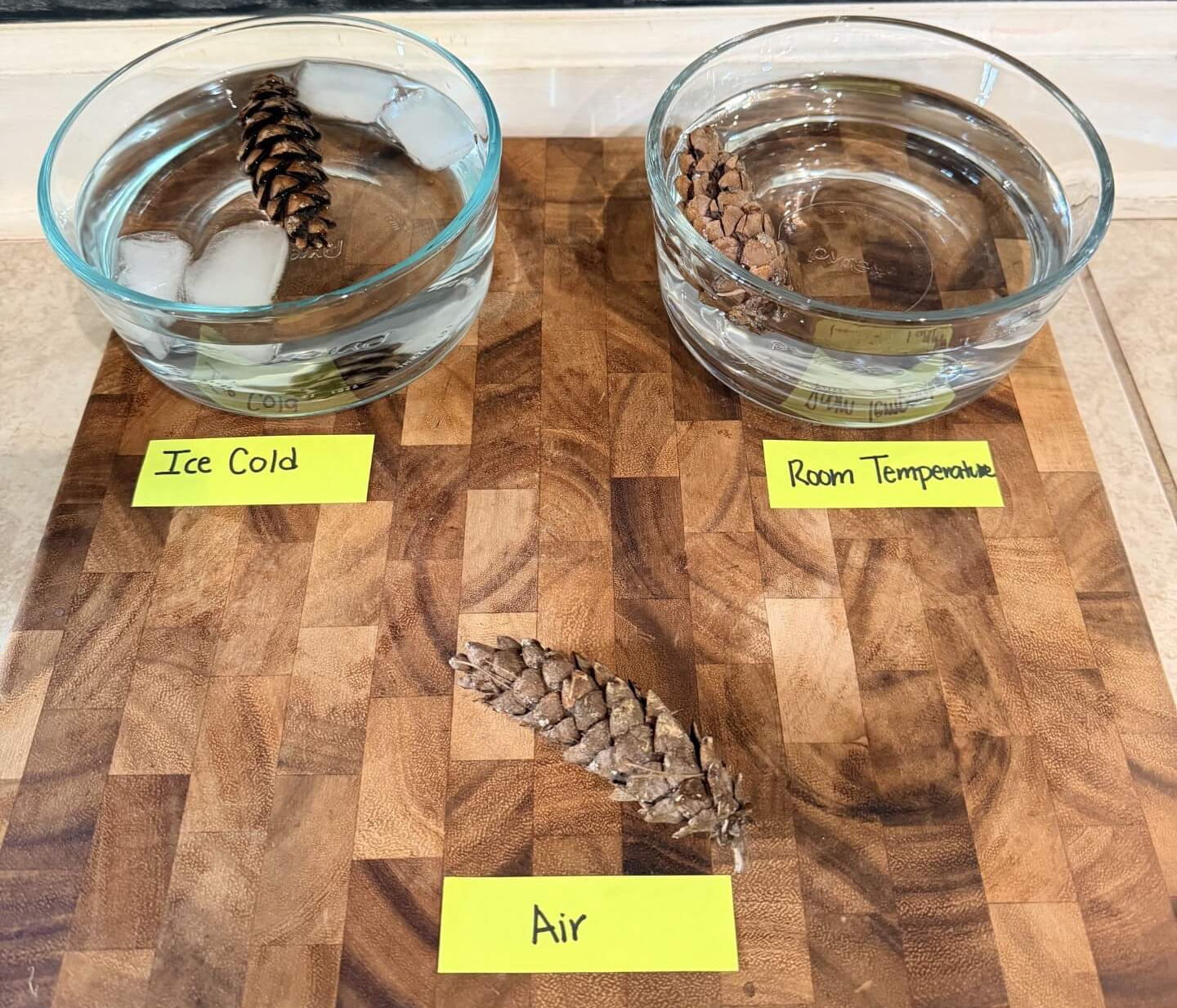
Materials:- 3 clear containers
- Multiple Pinecones
- Fine motor tweezers
- Room temperature Water
- Ice cold Water
- Air
Directions: Step 1: Place one pinecone into a container of ice-cold water, one pinecone into a container of room-temperature water, and leave one pinecone out in the open air.
Step 2: Check the pinecones every 15–30 minutes, noticing any changes in the scales.
Step 3: Compare the three pinecones. Discuss how the pinecones in the water begin to close as they absorb moisture, while the pinecone left in the air stays open (or gradually reopens as it dries).
Tier 2 Vocabulary Words:Moisture, investigate, absorb, expand, contract
Example: "The pinecone was open when it was dry. Now that it is wet, the pinecone scales are contracting. They are closing. Contracting means closing."
Adapt for Infants:
Provide pinecones either on the floor for them to explore during tummy time or in a box they can take the pinecones in and out. Model words: "Woah!" "Pine cone!" "In" "Out" "Weeee" "Yay!"
Children observe oxidation by comparing untreated apple slices with slices coated in different liquids. They begin learning that exposure to air can cause certain foods to change over time.
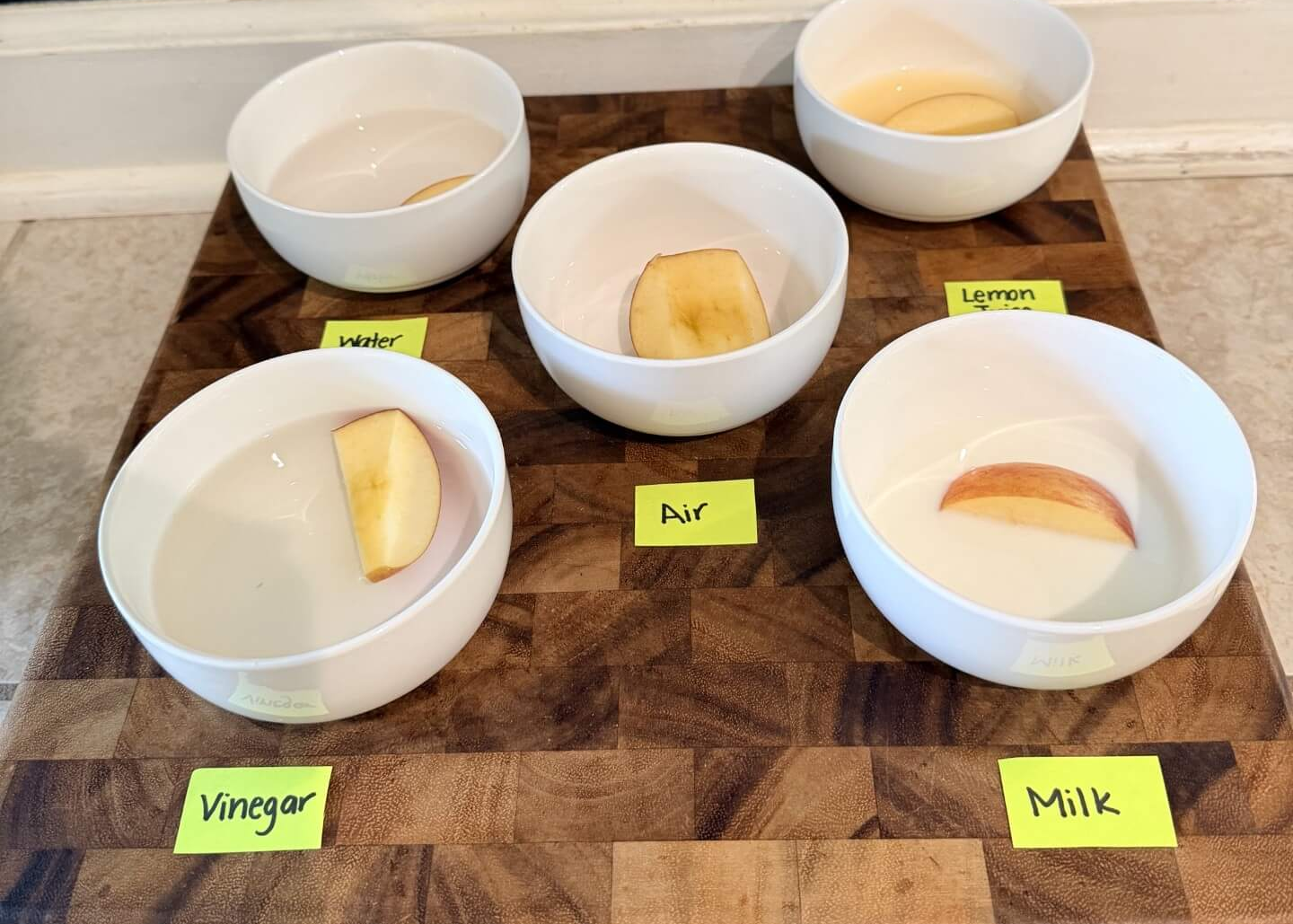
Materials:- Small bowls or containers
- Apple slices
- Lemon juice
- Water
- Vinegar
- Milk
Directions:
Step 1: Cut three apple slices. Leave one slice plain, place one slice in the bowls with lemon juice, water, milk, and vinegar.
Step 2: Observe the slices immediately, then again after 15, 30, and 60 minutes.
Step 3: Compare the apple slices and discuss how the plain apple turns brown.
Tier 2 Vocabulary Words:Compare, appear, protect, react
Example: "There are brown spots appearing on the apple slices. Appear means they are showing up and I can see them. Brown spots appeared or brown spots showed up."
Adapt for Infants:
Provide babies with whole apples of different colors (red, yellow, green apples) in a shallow tray of water. Model words: "Apple." "Water." "Wet." "Splash splash splash." "Oh no!" "Weeeee"
As bubbles form, they attach to the kernels and lift them upward. When the bubbles reach the surface and pop, the kernels fall back down. Children observe movement caused by gas produced during a chemical reaction.
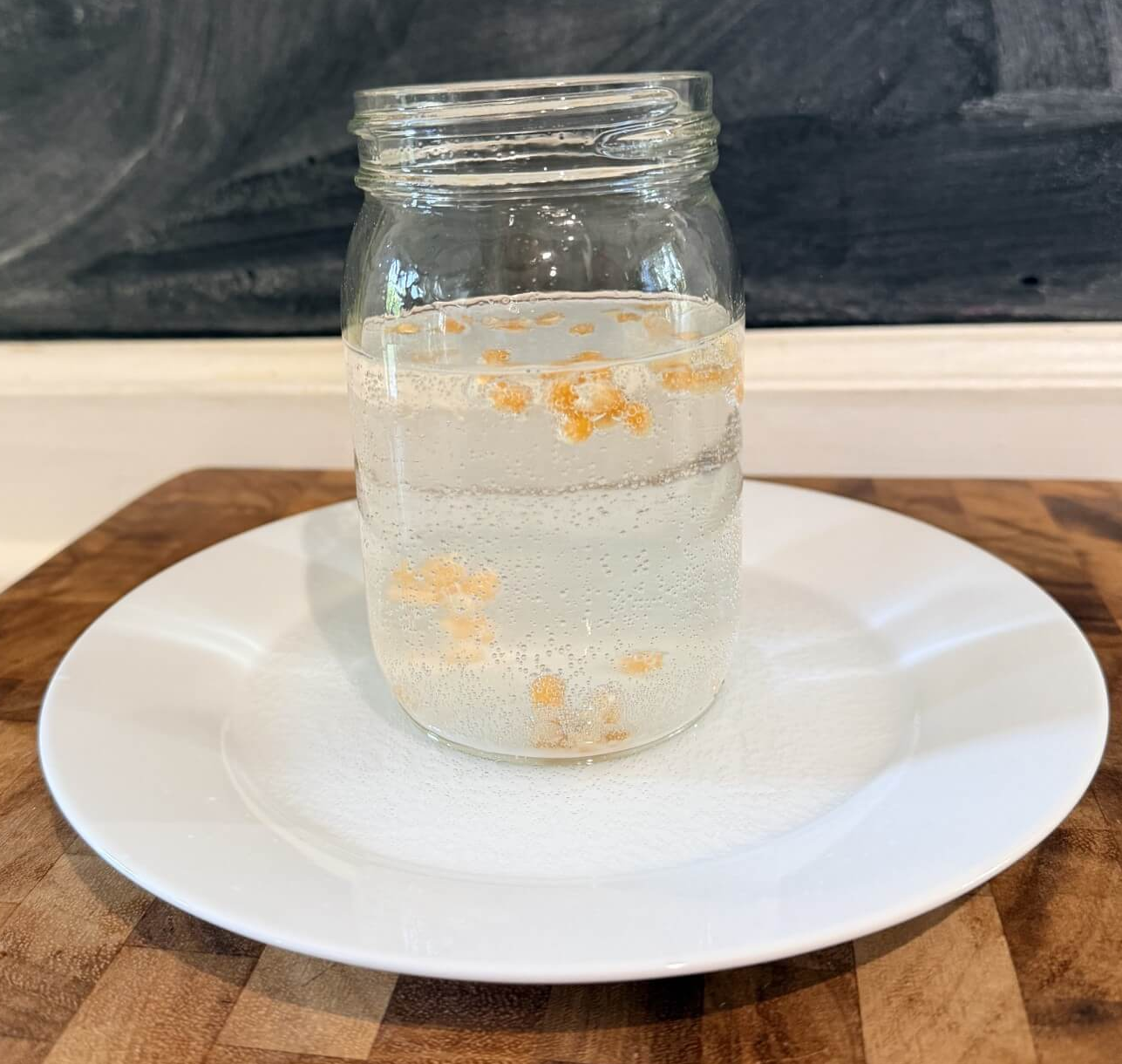
Materials:- Clear cup
- Water
- Baking soda
- Vinegar
- Candy corn or popcorn kernels
Directions:
Step 1: Fill a clear cup about ¾ full with water. Stir in 1–2 tablespoons of baking soda until it dissolves, then add a handful of popcorn kernels (or candy corn).
Step 2: Slowly pour ¼ cup of vinegar into the cup and observe as bubbles form and lift the kernels to the top before they sink back down.
Step 3: Watch the kernels "dance" for several minutes.
Tier 2 Vocabulary Words:Rise, experiment, kernel, reaction
Example: "The bubbles are rising. This means they are moving upwards. Rising means going up. What do you think will happen when the bubbles pop?"
Adapt for Infants:Put some corn kernels in a plastic water bottle. Seal the water bottle lid shut. Encourage babies to shake the bottle. Model words: "Shake shake shake." "Wow!" "Ooooooh" "Corn" "Yay!"
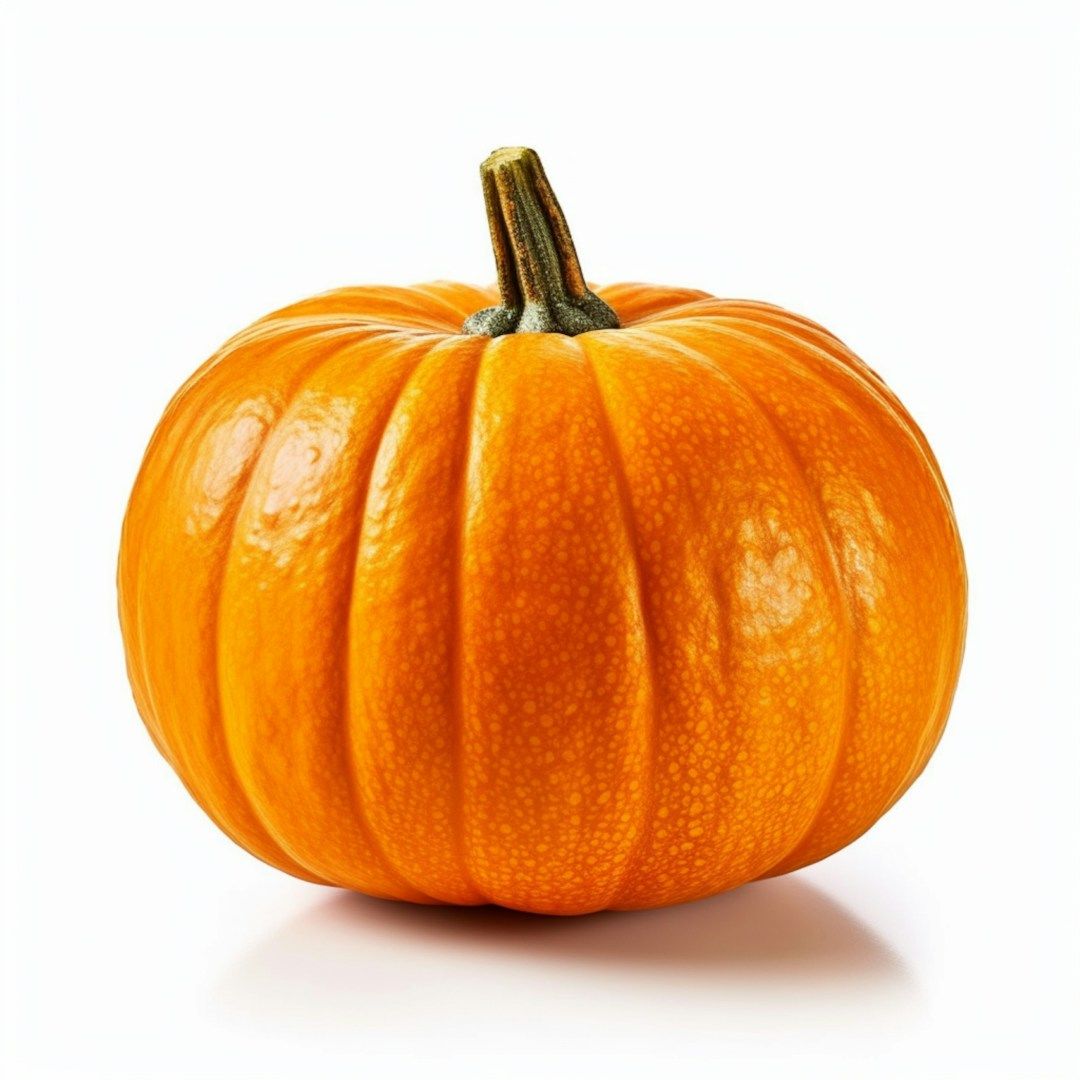
Children investigate pumpkins using their senses while exploring both the inside and outside of a pumpkin.
Materials:- Whole pumpkin
- Scoop
- Pumpkin seeds
- Tray or sensory bin
- Magnifying glasses (optional)
Directions:
Step 1: Place a whole pumpkin on a table and invite children to use their five senses to explore it. Encourage them to look at, touch, smell, and gently tap the pumpkin.
Step 2: Cut open the pumpkin and allow children to observe the inside. Scoop out the pulp and seeds into a tray or sensory bin.
Step 3: Investigate the pumpkin together by counting the seeds, comparing the inside and outside, and discussing how pumpkins grow.
Tier 2 Vocabulary Words:Explore, pulp, soaked, transfer
"The outside of the pumpkin feels smooth and hard. The inside wet. Oh my hand is soaked. Soaked means it is very very wet. It's soaked!"
Adapt for Infants:
Give babies a small pumpkin to explore (not cut open). Model words: "Pumpkin." "Bumpy." "Wow!" "Heavy."
Making Vocabulary Part of Every Science Experiment! Children need hands on experiences and Tier 2 vocabulary words explicitly taught in order to learn and apply those vocabulary throughout other parts of their day (which is the goal!) If you are looking to add more science to your day and encourage children to use new words too, I got you covered! With this self paced training, you can stop hoping children pick up new words naturally and start using science activities intentionally to build vocabulary that lasts.