Kids can't regulate what they can't name.
Many child care providers tell me they see children go straight to hitting or biting when a problem comes up. That makes sense. Young children use the strategy that gets their needs met the fastest. If hitting or biting makes another child let go of a toy or gets a big reaction, it worked for them.
While hitting and biting is developmentally expected, we can still help children understand what they're feeling and use that to support co-regulation, teach them problem solving strategies, and eventually self-regulate.
One way we can do this is to teach toddlers and preschoolers words for their emotions. Children are better able to ask for help, solve problems, and regulate their bodies when they have feelings words.
That's where books can make a huge difference!
Reading books about feelings is one of the easiest ways to build emotional vocabulary but
when you read them matters. Read these books
when children are calm, not in the middle of a meltdown or right after someone gets hurt. The purpose of reading feelings books is to teach the feelings words, practice identifying what those feelings do to our body, and then practice using the feelings words. A child is not going to be available for learning if we try to do this during moments they are dysregulated.
It's also important to remember that the goal isn't for children to label their feelings in the middle of an emotional moment. I can think of some grown adults that struggle to do that! Instead, we want children to build their emotional vocabulary so they can recognize their feelings before they become overwhelming or talk about them afterward while you're co-regulating together.
Don't just read the story (This goes for all reading activities) but especially when reading feelings books. You want to pause and have conversations about they story.
Here are some things you can say and ask while reading:
- "How do you think the character is feeling?" If a child doesn't know the feeling words when they're feeling calm, they're not going to be able to use them when they start to feel dysregulated. Talking about character feelings is a great way to practice using these words when calm!
- Help the children find clues in the character's face, body, and actions. It might sound like, "Look her face is getting red. Her body is feeling hot. Her body is telling her she is mad!"
- Talk about what happened that made the character feel that way
- Ask, "What could the character do to solve the problem?" This is huge!! This is where you are teaching problem solving strategies you want the child to use. Maybe they share the character goes to the "cozy corner" or uses some calm down strategies you have in your class.
- Connect it to the children's experiences! "Have you ever felt that way?"
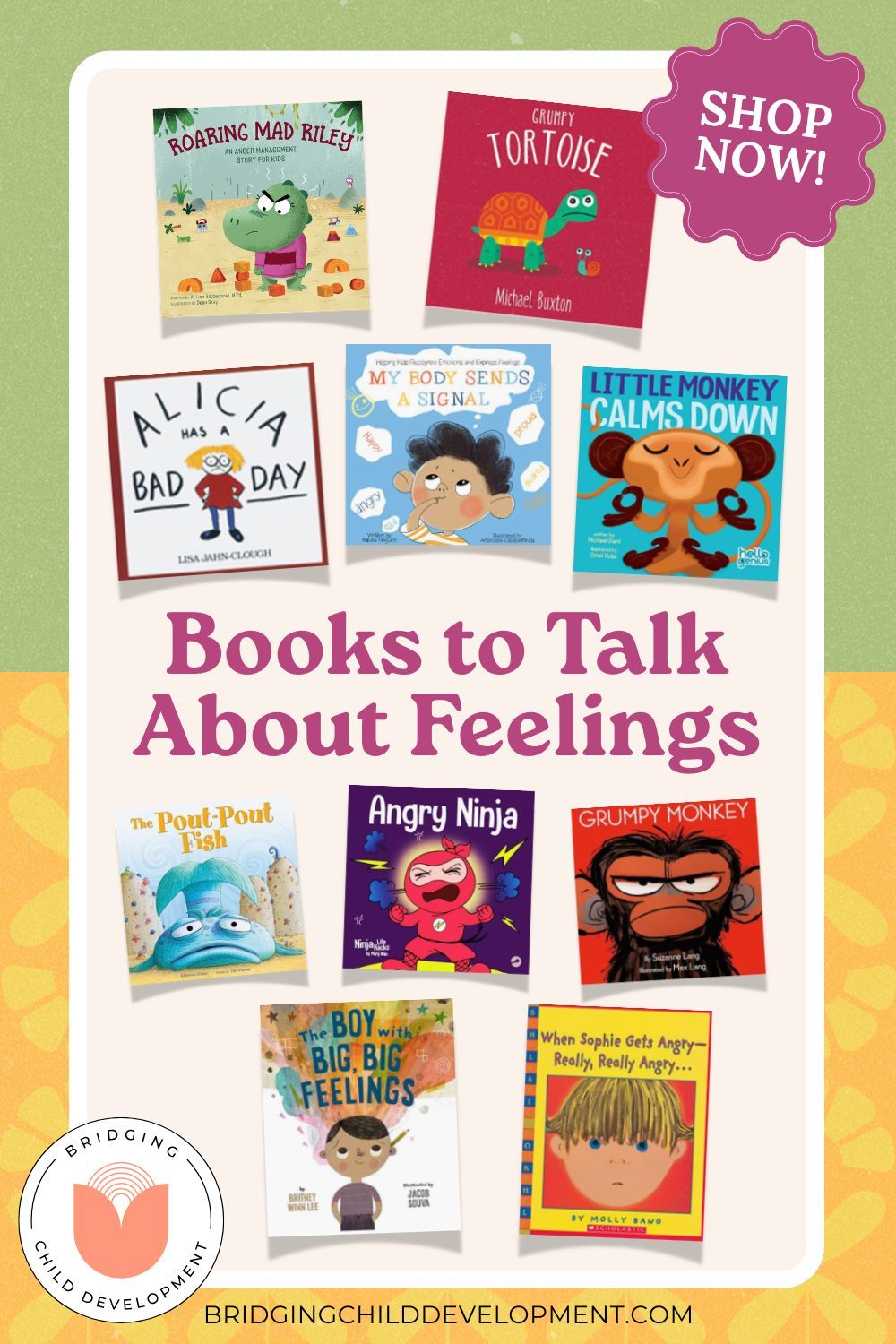
Click the image to see all our book suggestions or click here. Start building your class library. Affiliate link.
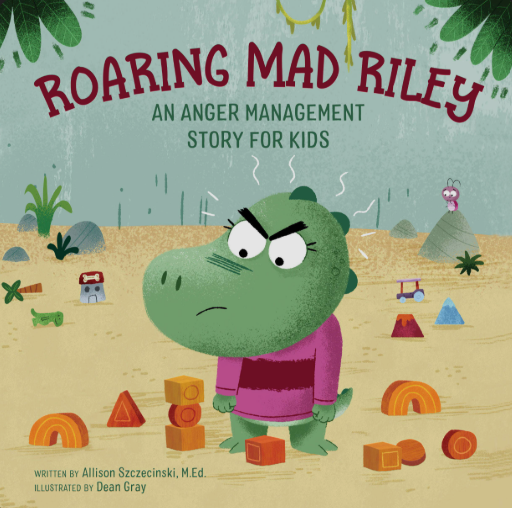
The book starts with Riley's block tower getting knocked over and she gets so angry she throws a block at her friend. Then she works through the anger with the help of her teachers and returns to play.
- The book does a great job explaining that big angry feelings are normal and what anger feels like in our body. This helps kids label anger and notice physical signs (fists closing, stomping, body getting hot). Use this to talk to the kids about what anger feels like in their body!
- It also shows how to calm down when you are feeling mad. You could say something like, 'Let's practice breathing with Riley!'
- The book ends with Riley repairing the relationship by saying sorry after a moment of anger and working together to rebuild the tower that was knocked over.
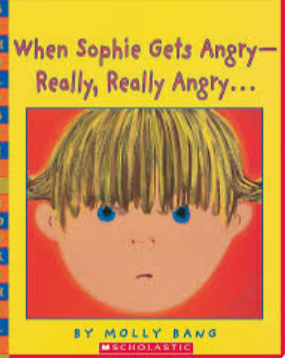
Ok full disclosure
there are things about this book I like and things I don't like- But I included it because I see this book in a lot of classrooms
so lets talk through it! - Sophie feels angry when her sister takes a toy (rightfully so) but the mom forces her to give it up to the sister (I hate forced sharing!) But we can use this as a teaching time like, 'When someone takes your toy, you can say, "No. You can have it when I'm done.' Lets practice!" Then we can talk about how it feels to be forced to share and how feelings make our body feel. This illustrations really show good facial expressions you can point out too.
- Next, Sophie gets so mad she runs out of the house (not an ideal way to solve the problem in school) but again, this is a teaching moment. It might sound like, 'Can we run out of our class when we get mad? What can we do instead? Lets practice!'
- Then she climbs a tree, calms down by listening to nature, and returns home happy and ready to play. Again, we can talk about calming strategies and how to rejoin the group once your body is feeling calm.
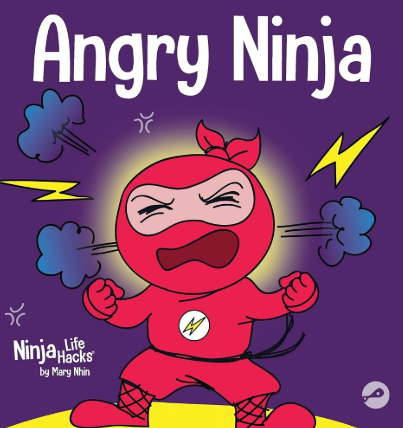
Follows a young ninja who feels angry when things don't go his way.
- The book does a great job describing how anger makes his body feel (clenched fists, tight throat, want to scream). Use this time to talk about how anger feels in your body and ask the kids how anger feels in their body.
- The book also validates that these feelings are normal and then teaches a specific calm down strategy. You can practice this together as a group! Then talk about how your body feels when it is calm.
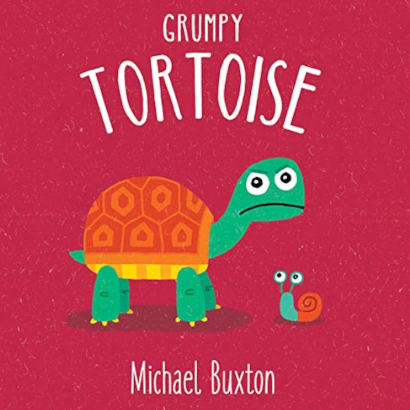
Grumpy Tortoise
Best for: Ages 2-4
Follows a tortoise who wakes up feeling grumpy and goes for a walk. While on the walk he does things that make him feel less grumpy like having a snack, smelling flowers, and being active.
- Talk about what feeling grumpy might feel like in your body and what children do when they feel grumpy.
- Brainstorm with your class what they can do when they wake up feeling grumpy and then practice! If a child says, "Look at a book in a quiet area," encourage a few kids to go to the quiet area in your room and show what that might look like.
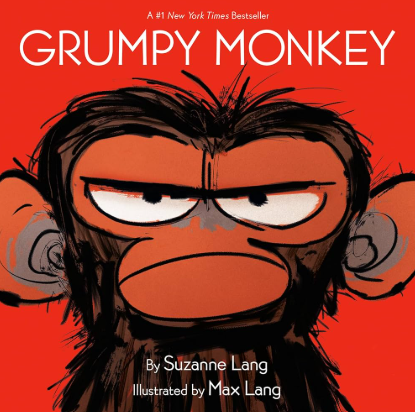
Grumpy Monkey
Best for: Ages 3-5
Follows Jim, who feels grumpy even though everyone keeps telling him he has nothing to be grumpy about. The book teaches children that it's okay to have bad days and that they don't always need a reason for their feelings.
- The book describes what grumpy feels like in our body and points out facial expressions to cue feelings too. Make sure to ask the kids if they have ever felt this way and what they do to feel better.
- The book acknowledges that sometimes the best thing we can do is name our feelings, give ourselves time, and let the feeling pass- which is a strategy too.
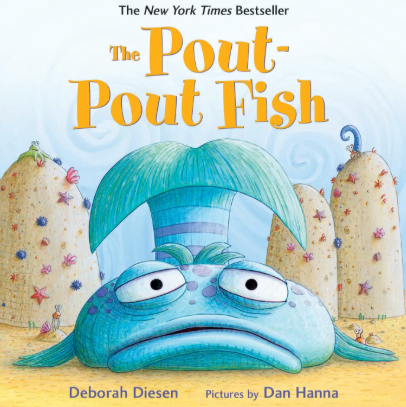
The Pout-Pout Fish
Best for: Ages 2-4
Follows Mr. Fish, who believes he's destined to be gloomy sad fish because he is a pout pout fish. But then a new fish kisses him and he decides he is a smooch smooch fish and spreads happiness.
- You can use this book to talk about feelings, how our thoughts and the messages we tell ourselves can influence how we feel, and that our feelings can change.
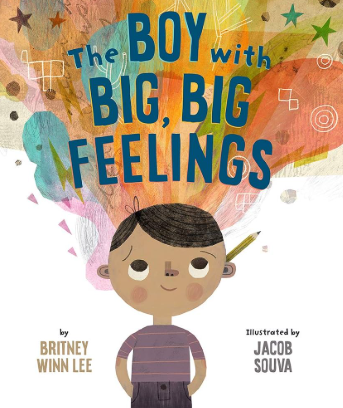
The Big Boy with Big Big Feelings
Best for: Ages 3-5
Follows a boy who experiences emotions very deeply. He laughs big, cries big, and feels everything intensely, eventually learning that having big feelings is okay.
- The book describes how feelings feel in our body, both good and bad feelings. It's important to have kids talk about all their feelings, glad, scared, angry, joyful, sad, etc. and that we don't need to hide them.
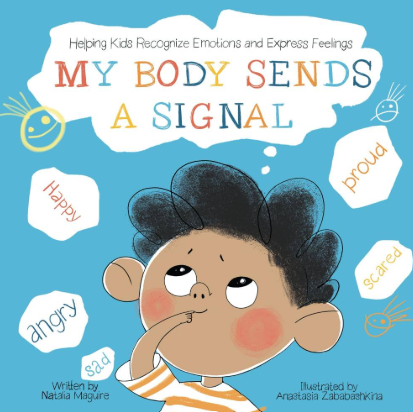
My Body Sends a Signal
Best for: Ages 3-6
This book follows a boy who goes through his day and all the feelings he experiences during different parts of his day from his mom telling him she has a surprise, to going to the zoo, to coming back home.
- The character feels both positive emotions like excited, proud, and happy as well as emotions like scared, ashamed, and disgusted. The character describes how each feeling changes his body such as a racing heart, tight muscles, or butterflies in their stomach. Talk to kids about how both good and bad feelings make their bodies feel.
- The book validates feelings like anger but also sets the boundary that you can't hurt people when you have big feelings. It has messages like, "Don't let your anger be the boss of you." and teaches calming strategies. Practice these with your kids!
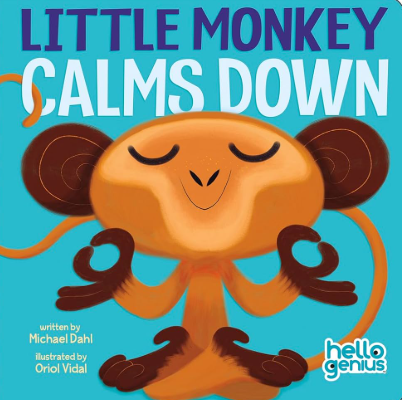
Little Monkey Calms Down
Best for: Ages 2-4
The book starts with a picture of the monkey with his dropped ice cream cone and then a picture of him having a hard time. Then the book offers different strategies to calm down like hugging his blanket, crying, singing a quiet song, and looking at a pinwheel.
- Practice the calming strategies together and talk about what would work in your classroom.
- Also, the pictures are big and bold, perfect for pointing out facial expressions.
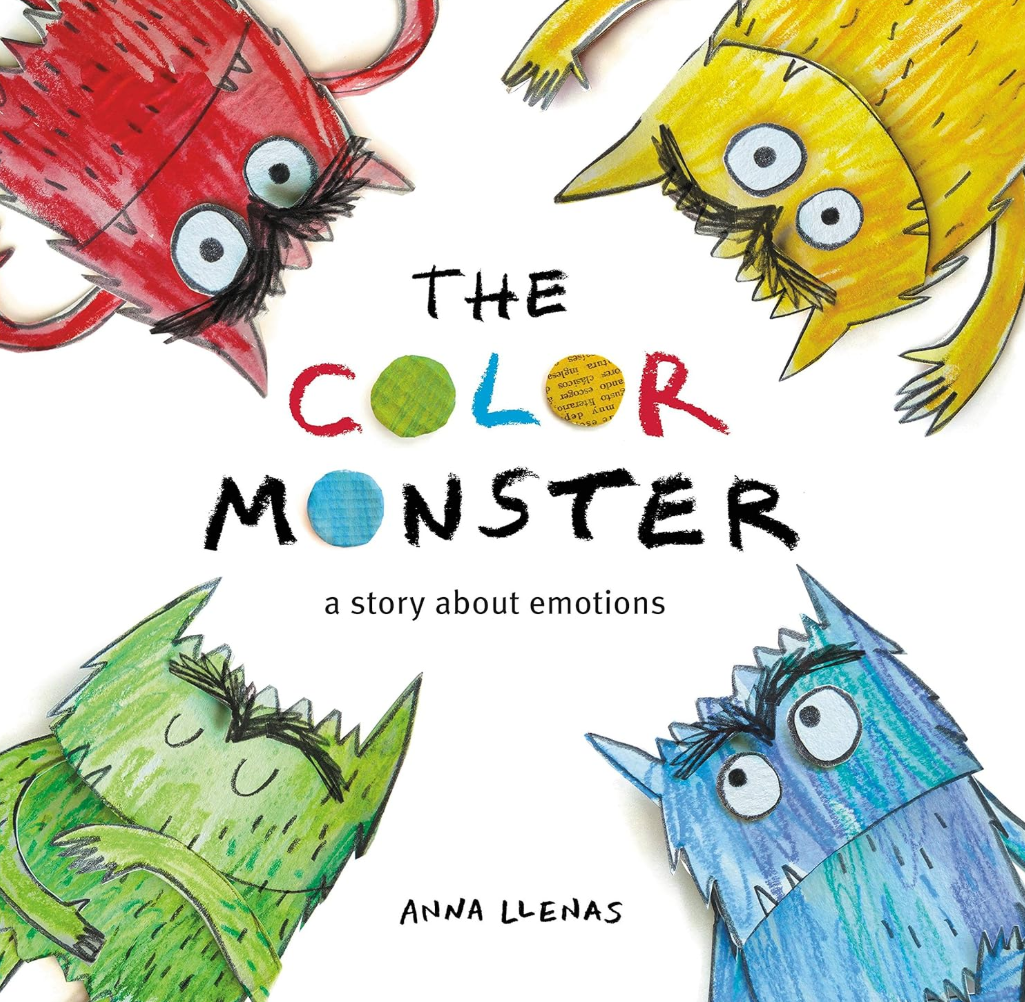
The Color Monster
Best for: Ages 2-5
The book follows a monster whose feelings are all mixed up. A little girl helps him sort his feelings by aligning a feeling with a color and then describing how each feeling makes the monster feel.
- Perfect for talking about all different feelings in a neutral way and how they make your body feel.
- Make sure to ask questions about when you may feel this way and what you can do to regulate your body when you have these feelings.
Read emotion books during calm times! Depending on the age it might be during a whole group read-a-loud or small group read-a-louds. If you have a child that needs some extra support, you could read 1 or 1 too. The goal is to build vocabulary before big feelings happen, so basically just don't read these books when a child is upset. That will not help!
Don't just read the words! Book reading experiences should feel like a conversation! This goes for all book reading experiences, not just books about feelings! I call it give every book a high 5. You can read more about it here!
Here's what it looks like:- Pause at feeling moments: "Oh, look at Riley's face. What do you think Riley is feeling right now?"
- Connect to body: "How does angry feel in your body? Do you notice your fists getting tight too?"
- Problem-solve together: "What could Riley do to help her body feel better?"
- Practice it: Role-play using the tools the character used (breathing, moving, talking about it). "Kelly, lets see you take some deep breaths like Riley."
The learning happens during the conversations not when they are just listening to the book!
You can start from birth. When a baby cries, say: "You're upset. That must be uncomfortable." When a toddler laughs, say: "You're happy! I love your big smile."
- By 18 months to 2 years old, most toddlers can start recognizing basic emotions in themselves and others. Use simple labels: happy, sad, angry, scared. Stick with these four for a while before adding nuance (frustrated, disappointed, worried).
- By 3 to 4 years old, kids can understand more complex feelings and start recognizing how emotions feel in their bodies. Label emotions every single day so kids learn that feelings are normal, nameable, and manageable.
Emotion books are tools, they are not going to magically solve all your behavior challenges. But when you use them intentionally, read them regularly, and practice the strategies you are laying the foundation for emotional regulation. Want to learn more ways to support big feelings? We have a training for you